Living Well in Austin | Updated November 2026
By Albert Allen, Luxury Real Estate Advisor and REALTOR® with Compass, and a Northwest Hills resident. Updated November 8, 2026.
The Short Answer
What should you inspect before buying a 1960s–80s home in Northwest Hills? Focus on the lot’s slope and drainage, the foundation, the sewer line, plumbing and electrical, then check protected trees, Austin’s wildfire code and the permit history. Many of these issues don’t show up at a showing.
Aluminum branch wiring 1965+ CPSC flagged homes built since then | Lead paint disclosure Pre-1978 Buyers get a 10-day testing window | Protected trees 19 in.+ Heritage trees: 24 in.+ |
Source: U.S. Consumer Product Safety Commission; U.S. EPA; City of Austin. Tree sizes are trunk diameter.
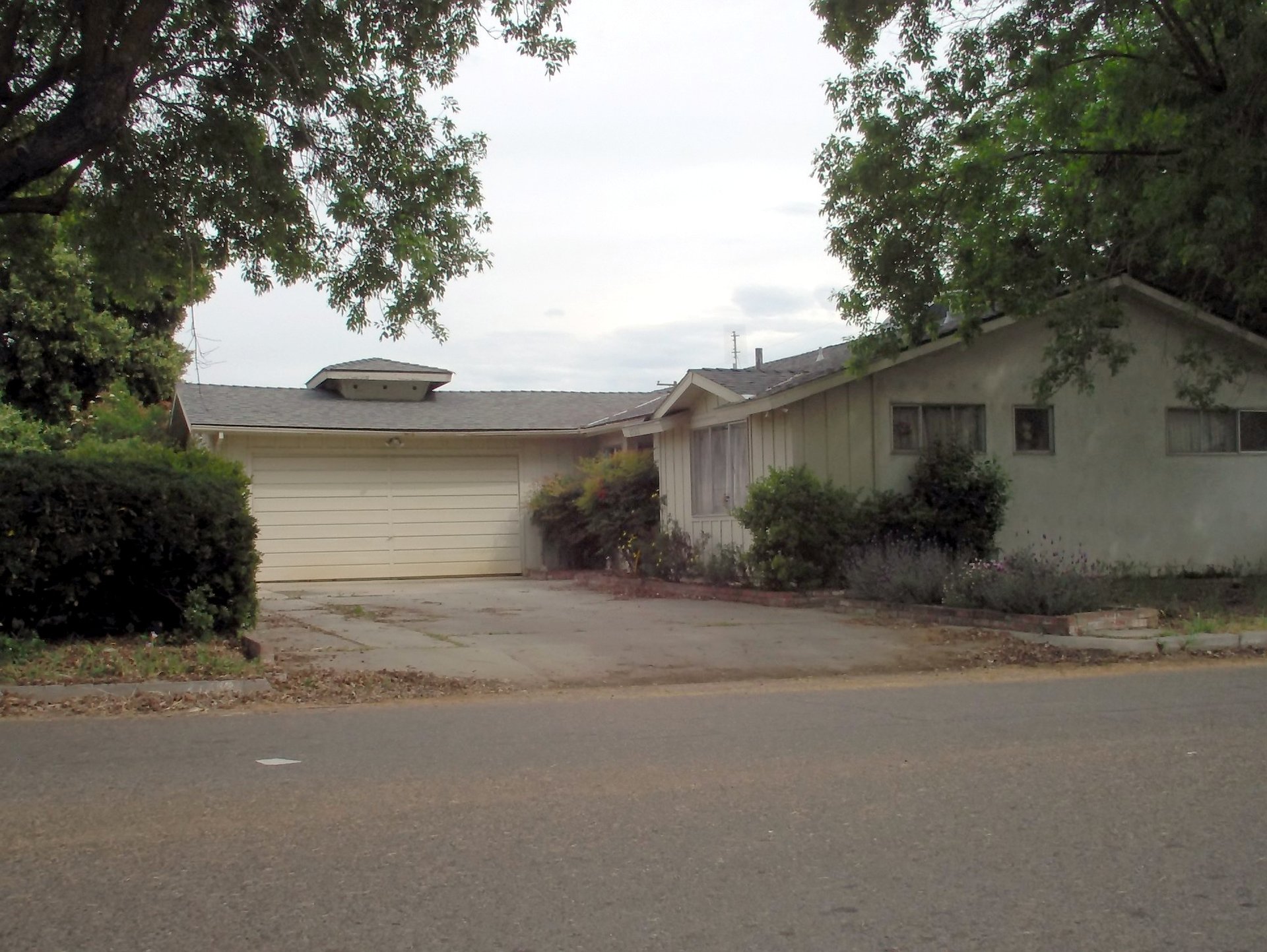
A mid-century ranch-style house (photographed in California). Many original Northwest Hills homes share this low, single-story form. Photo: Mcheath, Wikimedia Commons, public domain.
Much of Northwest Hills was built from the 1960s through the 1980s. That’s a big part of its appeal: established streets, mature trees, hillside lots and homes with room to grow. It also means many houses are 40 to 60 years old, and some have been updated in stages by several owners.
A standard home inspection is the right starting point, and here’s what to expect from one in Texas. In Northwest Hills, a few extra checks are worth adding. Below is what Albert Allen tells buyers to look at, and the questions they usually ask next.
Start with the lot: slope, drainage and retaining walls
Northwest Hills is hilly, and the lot often matters as much as the house.
- Where the water goes. On a sloped lot, rain runs toward something. Look at gutters, downspouts and grading, and if you can, see the property after a heavy rain.
- Retaining walls. Leaning, cracking or bulging walls, and blocked weep holes, are worth a closer look. Replacing a large retaining wall is a major project.
- Erosion and green space. Homes that back to a greenbelt can have steep rear slopes and ownership questions. Read the greenbelt behind your fence isn’t yours before you buy one.
The foundation
Homes from this era sit on slab or pier-and-beam foundations. Common signs of movement include doors and windows that stick, cracks above door frames, gaps at baseboards and floors that slope. Some movement is normal for a house this age. If your inspector flags a concern, a structural engineer’s evaluation gives you a clearer answer before your option period ends.
The sewer line
A standard inspection usually doesn’t look inside the sewer line from the house to the city connection. In older homes, that line can be cast iron or clay, and mature tree roots can find their way in. A sewer camera inspection is usually a separate add-on, and in Northwest Hills it’s one of the most useful ones you can order.
Plumbing
- Supply lines. Older homes may still have galvanized steel pipe. Homes built or replumbed from the late 1970s to the mid-1990s may have polybutylene, a gray plastic pipe many insurers and inspectors flag.
- Water heater and shut-off valves. Check the water heater’s age and that the main and fixture shut-offs work.
Electrical
- Aluminum branch wiring. The U.S. Consumer Product Safety Commission has reported fire risks from aluminum branch-circuit wiring used in homes built since 1965, mostly at connections to switches and outlets. CPSC’s guidance is to have a qualified electrician check it. It’s often fixable, but it needs a specialist.
- The panel. Note the brand, age and capacity. Inspectors often flag certain older panel brands, and an older panel may not have room for an EV charger, a pool or an addition.
- Grounding and GFCI protection. Older homes may have ungrounded outlets and fewer GFCI-protected outlets in kitchens, baths and outdoors.
Roof, attic and energy
Check the roof’s age and condition, especially after hail seasons. In the attic, look at insulation depth, ductwork and ventilation. Original single-pane windows and older HVAC systems are common upgrades. See energy-efficient home features in Northwest Hills and energy-smart upgrades that sell.
Lead paint and asbestos
For homes built before 1978, federal law requires sellers to disclose known lead-based paint and give buyers the EPA lead pamphlet, and buyers get a 10-day opportunity to test for lead. Homes from this era may also have asbestos in materials such as textured ceilings, older flooring or duct wrap. Testing before you remodel avoids surprises.
Trees: an asset with rules
Mature oaks are one of the best things about Northwest Hills, and the City of Austin protects many of them. A tree measuring 19 inches or more in diameter at 4.5 feet above the ground is protected and needs a permit to remove. Certain species, including live oaks, are heritage trees at 24 inches or more, per the City of Austin. That matters if you’re planning an addition, a pool or a wider driveway. It’s also worth having an arborist look at large trees close to the house.
Austin’s wildfire code
Many Northwest Hills streets border greenbelts and preserves. Austin’s Wildland-Urban Interface Code was adopted in 2020, and the 2024 version took effect July 10, 2025. It applies to new construction and to alterations and repairs inside the mapped zones. Requirements include Class A roofs, a five-foot noncombustible zone around structures and ignition-resistant materials, and inside the code area a roof replacement of 50% or more requires a full replacement. Check the City’s interactive WUI map before planning a new roof, deck or addition, and talk to your insurance agent early.
Permits and past remodels
Many Northwest Hills homes have been added on to over the decades. You can search past permits for an address in the City’s Austin Build + Connect (AB+C) portal. An addition or garage conversion with no permit on record can raise questions with insurance, appraisal and future permits. Thinking about changes after you buy? Read remodel or move up within Northwest Hills and new construction and major remodels in Northwest Hills.
A client story: good work, open permits
Albert worked with clients who did everything right at the start. Their major remodel and addition was designed, permitted and filed correctly, and their first contractor began the work. Partway through, the owners and that contractor reached an impasse, and a second contractor took over to finish the job.
The second contractor did excellent work. But nobody updated the permits to show the new contractor, and nobody called for the final inspections, so the permits were never closed out. Over time, the permits for the addition, roof and windows expired.
Fixing it meant hiring a permit expediter. The project had to be resubmitted, and the finished work had to meet the codes in effect now, not the codes the plans were originally drawn to. Stamped plans can only be revised by the architect who drew them, so updated drawings were part of the process. Parts of the original scope that were never built had to come off the permit, and the expected timeline was about three months if everything went smoothly. The appraisal district record also still showed the home’s original square footage, so the finished space had to be measured and documented.
What it means whether you’re buying, remodeling or selling
- Buying: In AB+C, look at the status of each permit, not just whether one exists. A permit still marked active or expired long after the work was done is a question for the seller during your option period.
- Ask for final inspection records for any addition, roof, window, electrical, plumbing or HVAC work the seller mentions.
- Remodeling: If you change contractors midstream, make sure the permit is updated to name the new contractor and that every inspection is finaled before the last payment.
- Planning to sell: Look up your own address before you list. Closing an old permit can mean bringing the work up to current code, and that takes time you don’t want to spend during a contract.
Albert’s tip: An open permit is far easier to close when you’re not working against a closing date. If you’ve remodeled in Northwest Hills, check your permits now, even if selling is years away.
Quick checklist
Albert’s tip: Book the sewer scope and the foundation evaluation for the first days of your option period. Those two results usually shape the rest of the negotiation.
Check | Why it matters | Who to call |
|---|---|---|
Drainage and retaining walls | Sloped lots move water toward something | Inspector, then a drainage or structural specialist |
Foundation | Movement is common in older homes | Structural engineer if flagged |
Sewer line | Older cast iron or clay lines and tree roots | Sewer camera inspection |
Supply plumbing | Galvanized or polybutylene pipe | Licensed plumber |
Electrical | Aluminum wiring, panel age and capacity | Licensed electrician |
Lead and asbestos | Pre-1978 homes and planned remodels | Certified testing firm |
Large trees | Protected and heritage tree rules, roots near foundations and sewer lines | Certified arborist |
Wildfire code | Affects roofs, decks and additions | City WUI map and your insurer |
Permit history | Unpermitted additions, and permits left open or expired | AB+C search, plus final inspection records |
Timing: use your option period well
In a Texas resale contract, the option period is your due diligence window. In exchange for an option fee paid to the seller, you get the unrestricted right to terminate the contract for any reason until the period ends, as the Texas Real Estate Research Center explains. Once it ends, that open door closes, and getting out generally depends on other terms in the contract, such as financing.
Older homes often need a specialist or two after the general inspection, so book the inspection, sewer scope and any follow-ups as soon as your contract is signed. Use the remaining days to collect repair bids, ask for permit and final inspection records, and decide what to request from the seller.
Lenders are looking more closely, too
If you’re financing, the home also has to get through the appraisal. Fannie Mae and Freddie Mac now require a redesigned Uniform Residential Appraisal Report (UAD 3.6) for appraisals submitted on or after November 2, 2026. Their sample reports show how much more detail it captures: separate quality and condition ratings for the exterior and interior, the update status and condition of the kitchen, each bathroom, flooring, roof and windows, the heating, cooling and water heater, how the square footage was measured, and any apparent defects, damages or deficiencies requiring action, listed on the report’s first page.
For a 1960s–80s Northwest Hills home, that means an aging roof, an original kitchen or an unfinished repair is more likely to be spelled out for the lender. It doesn’t mean older homes appraise lower, but condition is now documented in more detail, and items flagged as requiring action can affect the loan.
Planning to sell? Consider a pre-listing inspection
If you’re planning a sale months ahead, a pre-listing inspection lets you find what would give buyers pause before a buyer finds it during the option period. You can repair what matters, get bids for what you won’t fix, and price with the results in mind. Pair it with a permit search in AB+C so open or expired permits get closed on your schedule, not during a contract. Keep in mind that known defects belong on your Seller’s Disclosure Notice, so plan to disclose what the inspection finds.
Albert’s tip: With the new appraisal form noting the condition of kitchens, baths, roofs and windows, small fixes before listing count for more. Compass Concierge can cover the upfront cost of eligible pre-listing improvements, repaid at closing.
Albert Allen’s Perspective on Older Northwest Hills Homes
Living in Northwest Hills, I’ve learned that the issues that matter most in these homes usually aren’t cosmetic. It’s the lot, the drainage, the sewer line and the remodel history.
A 1970s house with original finishes and a sound foundation can be a better buy than a freshly updated one with no permits. A good inspection plan tells you which one you’re looking at.
I treat the option period as a short, focused project: the right inspectors, the right questions and a clear plan for what to ask the seller to repair, credit or accept.
Frequently Asked Questions About Inspecting Older Northwest Hills Homes
Do I really need a sewer scope?
For a 1960s–80s home, it’s strongly worth it. A standard inspection usually doesn’t see inside the line, and a repair can be one of the more expensive surprises after closing.
Is aluminum wiring a dealbreaker?
Not necessarily. It needs a qualified electrician’s evaluation and the right repair method, which CPSC describes. Factor the cost into your decision and negotiation.
Can I remove a large oak to build an addition?
Maybe not. Trees 19 inches or more in diameter are protected in Austin and need a permit to remove, and heritage trees have stricter rules. Plan around the trees before you buy.
Does Austin’s wildfire code affect a roof replacement?
If the home is inside the mapped WUI zones, yes. New work must meet the code, including a Class A roof, and a replacement of 50% or more of the roof requires a full replacement.
How do I find out what permits were pulled on a house?
Search the address in the City’s Austin Build + Connect portal. Ask the seller about any work that doesn’t show up.
What does the lead paint disclosure mean for a 1970s home?
The seller must disclose what they know and give you the EPA pamphlet, and you get 10 days to test for lead unless you waive it. It’s most important if you plan to sand, demolish or remodel.
When should I bring in a structural engineer?
When your inspector flags foundation movement or a retaining wall concern. An engineer’s report gives you something specific to negotiate with.
How long is the option period?
It’s whatever you and the seller agree to in the contract. In competitive situations it’s often short, so line up inspectors early.
What happens if a past remodel’s permits were never closed?
The permit usually has to be reopened or resubmitted, and the work may need to meet current code rather than the code it was built under. A permit expediter can help, and it can take a few months, so owners should check before listing and buyers should ask during the option period.
What is the option period in a Texas home purchase?
It’s a negotiated number of days, bought with an option fee, when the buyer has the unrestricted right to terminate for any reason. It’s the time to complete inspections and decide whether to move forward.
Should I get a pre-listing inspection before selling an older Northwest Hills home?
Often, yes. It surfaces issues before a buyer’s inspector does, gives you time to repair or price around them, and pairs well with checking your permit history. What it finds generally needs to be disclosed.
How does the new appraisal form affect older homes?
For appraisals submitted on or after November 2, 2026, Fannie Mae and Freddie Mac require a redesigned report that records the condition and update status of kitchens, bathrooms, flooring, roofs and windows, plus any defects requiring action. Condition is documented in more detail for the lender.
Looking to Sell?
What is your Northwest Hills home worth?
I'll prepare a complimentary home valuation based on recent nearby sales and the details buyers pay for in your area: lot, layout, updates and condition.
About Albert Allen
Albert Allen is an Austin native and Luxury Real Estate Advisor with Compass. He is a Certified Luxury Home Marketing Specialist™ and a member of the Million Dollar Guild™, serves as 2026 Board President of Rebuilding Together Austin and is part of the 2026 Advisory Group for the Austin Board of REALTORS® Foundation.
Albert represents buyers and sellers in Northwest Hills, where he lives, and in nearby Great Hills, Allandale and Northwest Austin, with a focus on verified details and thoughtful pricing.
Living Well in Austin
Thinking About an Older Home in Northwest Hills?
Whether you’re buying a 1970s original, comparing a remodeled home with one that needs work, or preparing your own Northwest Hills home to sell, I’d be happy to help you understand your options.
Let’s look at the home, the lot and the recent sales that matter, and the strategy that makes sense for your goals.
Albert Allen | Compass | Living Well in Austin
Schedule a Walk & TalkExplore Northwest Hills Homes
Northwest Hills parks and trails · Great Hills homes · Allandale homes · Private listings · Home valuation · Neighborhood guides · Blog
Sources and Methodology
Sources: U.S. Consumer Product Safety Commission, U.S. Environmental Protection Agency, City of Austin (tree protection, Wildland-Urban Interface Code and Austin Build + Connect), the Texas Real Estate Research Center at Texas A&M, and Fannie Mae and Freddie Mac (UAD 3.6 appraisal specification and sample reports, March 2026), checked November 8, 2026. This article is general information, not a substitute for a licensed inspector’s report.