Thinking about a new build or major remodel in Northwest Hills? This part of Austin can be incredibly rewarding, but it is rarely simple. Between hillside lots, mature trees, older homes, and city review requirements, the details matter here more than they do in a flat, cookie-cutter subdivision. If you want to understand what really shapes construction projects in Northwest Hills, this guide will help you know what to watch, what to verify, and where smart planning pays off. Let’s dive in.
Why Northwest Hills builds differently
Northwest Hills sits in west Austin, where the landscape shifts into the Hill Country. According to the Bureau of Economic Geology, this area is defined by rugged topography, flat-topped hills, steep canyons, and thin, rocky soils west of MoPac.
For you as a buyer or homeowner, that means a lot can influence the success of a project. Slope, drainage, retaining walls, driveway design, and tree preservation often matter just as much as the finishes you can see inside the house. In many cases, the site work tells you more about the quality of a project than the countertops do.
What the neighborhood is and is not
One of the most important things to understand is that Northwest Hills is not governed by one neighborhood-wide HOA. The Northwest Austin Civic Association states that it is a civic association, not an HOA, and that many homes within its boundaries are not part of any HOA.
Its stated footprint runs from Ranch Road 2222 on the south, Loop 360 on the west, US 183 on the north, and MoPac on the east. Because there is no single HOA structure covering the whole area, property-specific review is essential. If you are evaluating a remodel or planning one yourself, you need to confirm deed restrictions and any parcel-level requirements on that specific lot.
What kinds of homes you will see
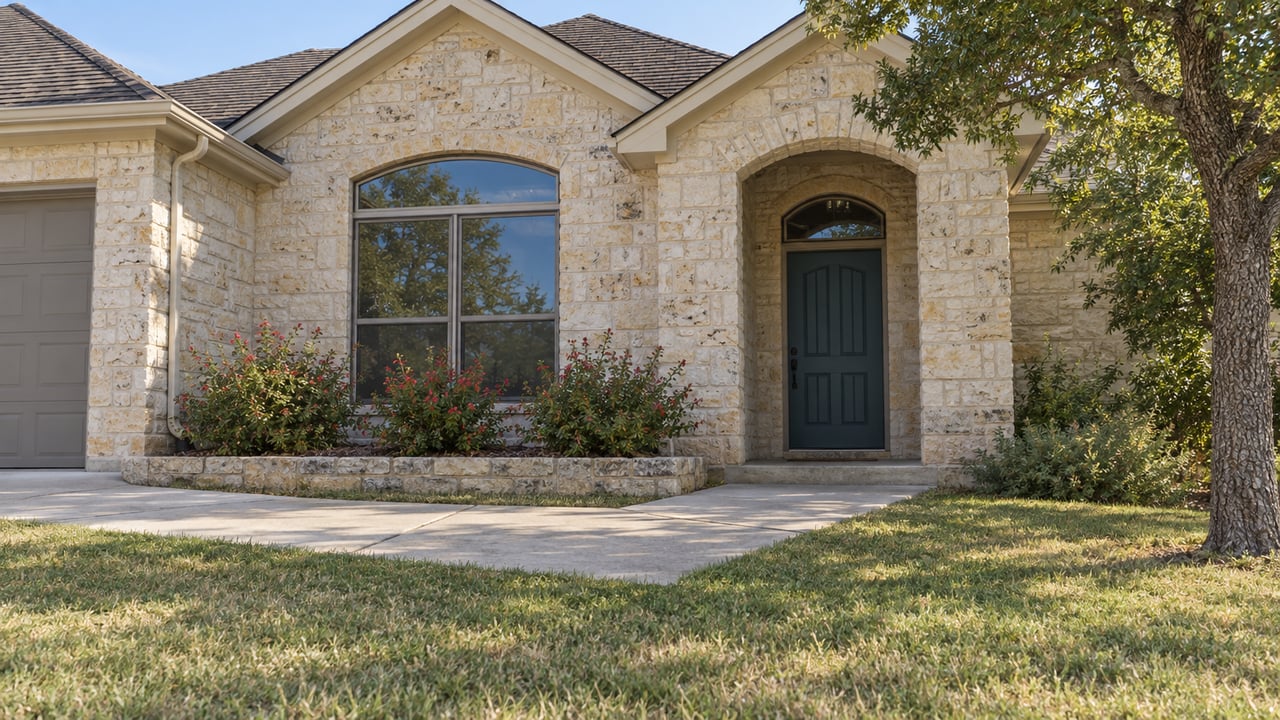
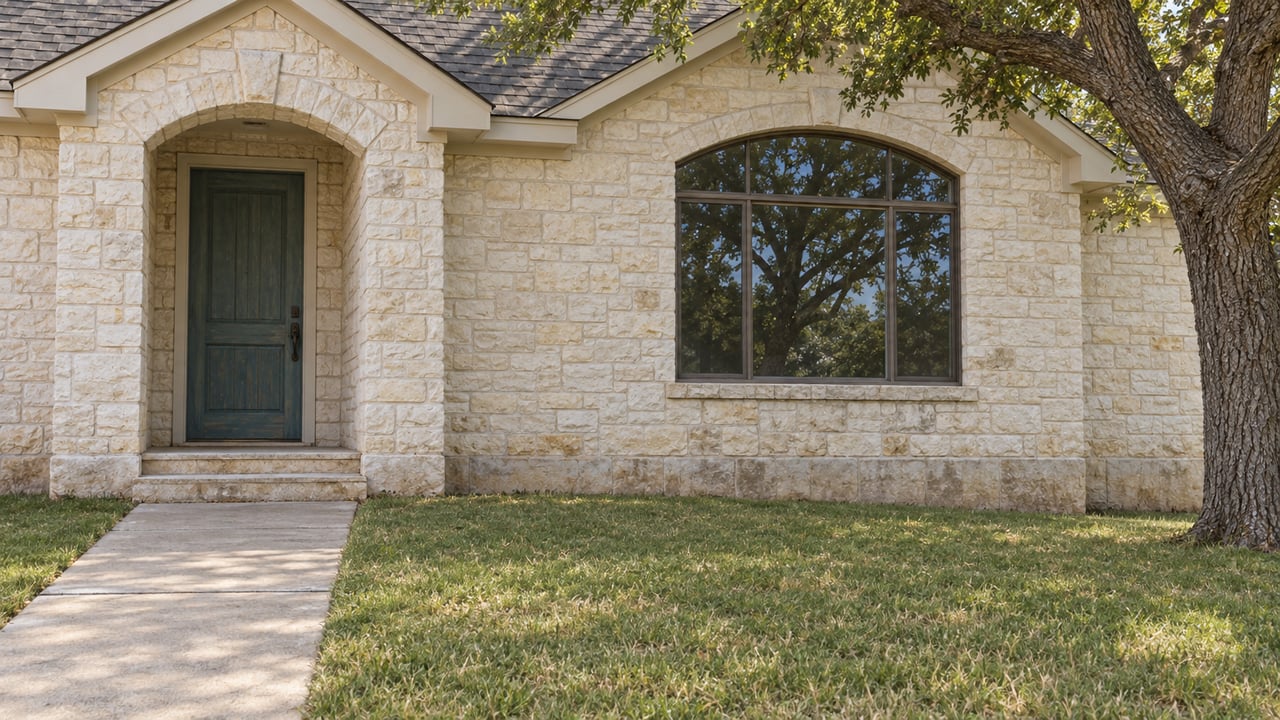
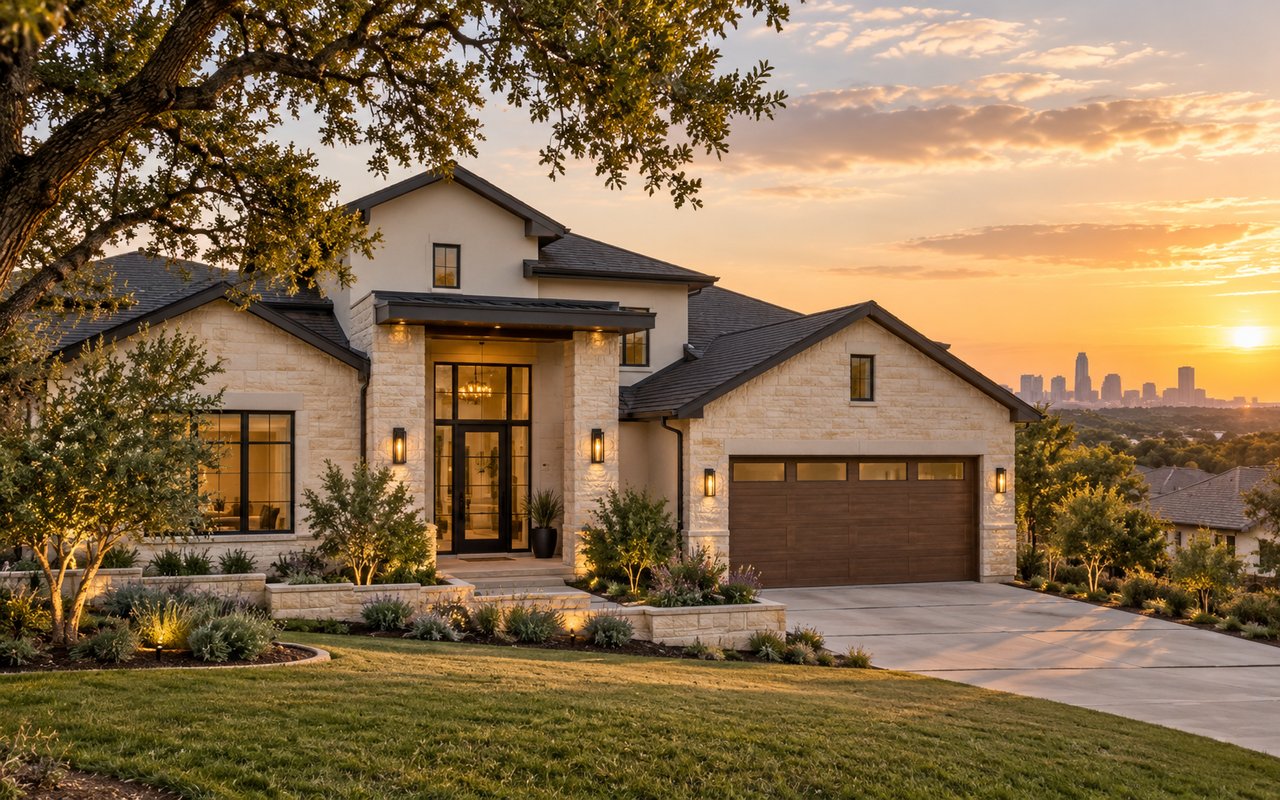
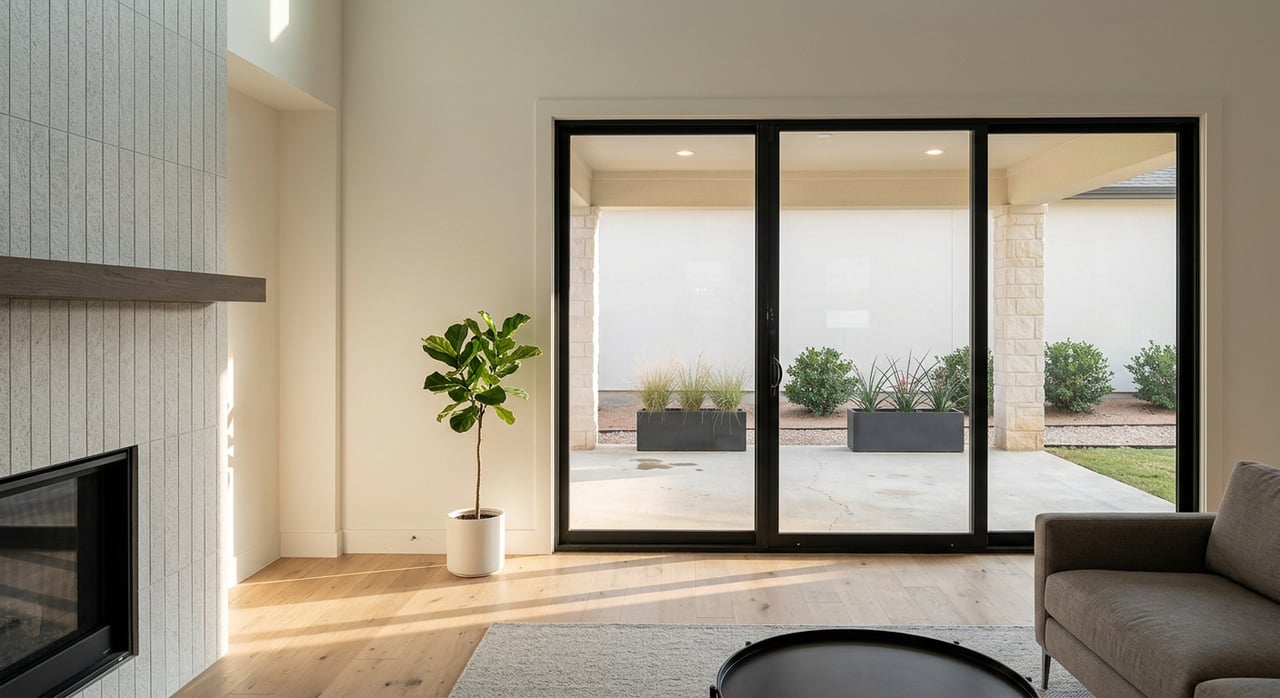
Northwest Hills has a layered architectural character, which is part of its appeal. Austin historic-preservation materials identify Post-war Modern, also called Mid-century Modern or Contemporary, as a common residential style in the city, with features like low exterior ornament, indoor-outdoor integration, and strong interior views.
Travis County survey work also reflects how Ranch-style homes spread widely during the postwar suburban era. In practical terms, that means you will often find a mix of ranch homes, mid-century influenced homes, significant remodels, and teardown-rebuild custom properties. The most successful projects usually respond to the site and keep a low, horizontal feel that fits the surrounding terrain.
New construction vs major remodels
In Northwest Hills, major remodels are often just as important as brand-new homes. Because this is an established west Austin neighborhood rather than a uniformly new subdivision, many of the most compelling properties are older homes that have been extensively reworked instead of fully replaced.
That matters if you are buying. A remodel may offer original siting, mature trees, and an established lot, while a new build may deliver newer systems and a more current floor plan. Neither is automatically better. The right choice depends on how well the project handles the lot, the structure, and the city review process.
Austin permit rules to know
Austin Development Services says residential plan review covers new construction, additions, interior remodeling, and demolition of single-family, duplex, and two-family houses, along with additional buildings on one lot. The city also states that building permits are required for new construction, additions, and interior remodels of these residential property types.
Minor repairs may qualify for an express permit, but major remodels and rebuilds generally go through plan review. If you are comparing homes, permit history should be part of your due diligence. A polished remodel is not enough on its own. You want to know whether the scope of work appears to match the city record.
Compatibility and zoning can shape design
Austin says the development process is governed by the Land Development Code, zoning regulations, building and technical codes, and technical criteria manuals. The city also notes that Residential Design and Compatibility standards are intended to protect the character of older neighborhoods by keeping new construction, remodels, and additions compatible in scale and bulk.
There is another key point here. Austin also states that neighborhood plans, neighborhood conservation combining districts, conditional overlays, planned unit development regulations, and compatibility standards can replace zoning in small parts of the city. That is why address-level review matters in Northwest Hills. Two homes on nearby streets may not face the exact same design constraints.
Older homes may trigger added review
If a home is 45 years old or older and a project includes exterior demolition or modification, Austin’s Historic Preservation Office may review it. The city’s demolition guidance also says these homes require historic-preservation review and may face additional checks if they are in a historic district or landmark area.
This does not mean every older home is hard to remodel. It does mean the review path may differ from a simple interior renovation. If you are buying an extensively renovated older property, it is wise to confirm whether the age of the structure affected the approval process.
Tree review is a real factor
In Northwest Hills, mature trees are part of the setting, and they can also affect a project timeline. Austin requires tree review on residential projects when protected trees measuring 19 inches or larger on single-family property are impacted. The rule can also apply to adjacent trees if their critical root zones extend onto the site.
That makes tree preservation more than a landscaping issue. It can influence where additions sit, how driveways are reworked, and whether grading plans need adjustment. On hilly lots, balancing build area, drainage, and tree protection can become one of the most important design challenges.
Utility clearance matters too
Austin Energy’s Building Service Planning Application review runs alongside plan review for new residential structures, additions, and pools. The city utility requires plans to show easements, electric facilities, and existing meter locations, and construction not listed on the BSPA is not considered.
For you, this is another reminder that good projects are coordinated projects. If a home has a large addition, a new footprint, or substantial exterior work, utility clearance should be part of the documentation trail.
What smart buyers should inspect first
If you are evaluating a new build or major remodel in Northwest Hills, start with the lot before the finish selections. In this neighborhood, the hidden work often matters most.
1. Check site work
Look closely at how the project handles slope, runoff, drainage, retaining walls, and driveway access. The rugged topography and thin, rocky soils in west Austin make these items especially important.
A home can photograph beautifully and still have weak exterior planning. When site work is thoughtful, you will often see better water management, more intentional grading, and a design that works with the land instead of fighting it.
2. Confirm the paperwork
Review permit history and ask whether tree review applied. If the home is older, verify whether historic-preservation review was required for the work performed.
Also confirm whether deed restrictions or HOA rules affect that parcel. Since Northwest Hills is not one big HOA community, assumptions can lead to mistakes.
3. Evaluate the systems
Austin’s current technical code framework includes the 2024 Technical Building Codes, effective July 10, 2025, and the city says the code set includes the 2024 IECC. Austin also includes the International Wildland-Urban Interface Code in its building-technical-code framework.
That means system quality deserves real attention. Ask about HVAC design, ventilation planning, insulation and envelope performance, water heater efficiency, and whether the home was planned with durability in mind.
What modern Northwest Hills projects often include
Austin Energy Green Building rates both new construction and major renovation projects. Its residential categories include energy performance, high-performance systems, efficient water heating, controls and monitoring, commissioning and testing, high-efficiency fixtures and appliances, photovoltaics, green energy, EV charging, electric readiness, roof and shade design, wildfire resilience, and water, materials, and health measures.
You do not need every feature on that list for a home to be compelling. But in Northwest Hills, strong projects often show a pattern of thoughtful decisions rather than one flashy upgrade.
Common features to look for include:
- Better envelope and insulation planning
- HVAC and ventilation designed for comfort and efficiency
- Shade-conscious roof and window decisions
- Solar or EV readiness
- Durable materials suited to the site
- Water management and drainage planning tied to the lot
How to think about long-term livability
A successful Northwest Hills build is not just about what looks new today. It is about how the house lives over time on a challenging site.
On these lots, long-term livability often comes down to a few practical questions. Does the home handle rain well? Does the grading make sense? Were mature trees preserved where possible? Do retaining walls and outdoor spaces feel intentional? Are the systems designed for comfort, efficiency, and durability?
Those questions matter whether you are buying a finished home, considering a remodel, or weighing a teardown. In Northwest Hills, quality is often built from the ground up, literally.
Why local guidance helps
This is one of those Austin neighborhoods where broad advice only gets you so far. Because Northwest Hills includes older homes, varied lot conditions, civic-association boundaries instead of one blanket HOA, and address-specific zoning or overlay possibilities, details need to be checked property by property.
That is where experienced local guidance can make a difference. When you understand the neighborhood, the lot conditions, and the city review issues that commonly affect west Austin properties, it becomes much easier to spot risk, identify upside, and make decisions with confidence.
If you are considering a new construction home, a major remodel, or a property with redevelopment potential in Northwest Hills, working with a local advisor who understands both the neighborhood and the construction side can save you time and help you avoid costly surprises. Connect with Albert Allen to schedule a discovery call and get private access to Austin listings.
FAQs
Does a major remodel in Northwest Hills usually need a permit?
- Yes. Austin says residential plan review and building permits cover new construction, additions, interior remodeling, and demolition for single-family and related residential structures.
Do older Northwest Hills homes face different review rules?
- Possibly. Austin says homes that are 45 years old or older require historic-preservation review when exterior demolition or modification is proposed, and some properties may have added review requirements.
Is Northwest Hills governed by one HOA?
- No. The Northwest Austin Civic Association says it is a civic association, not an HOA, and many homes within its boundaries are not part of any HOA.
What tends to slow down a Northwest Hills construction project?
- Common friction points can include tree review, utility-clearance review, compatibility standards, and any address-specific zoning or overlay requirements.
What should buyers inspect first in a Northwest Hills remodel or new build?
- Start with site work, including drainage, slope handling, retaining walls, and tree preservation, then confirm permits and review the quality of major systems.