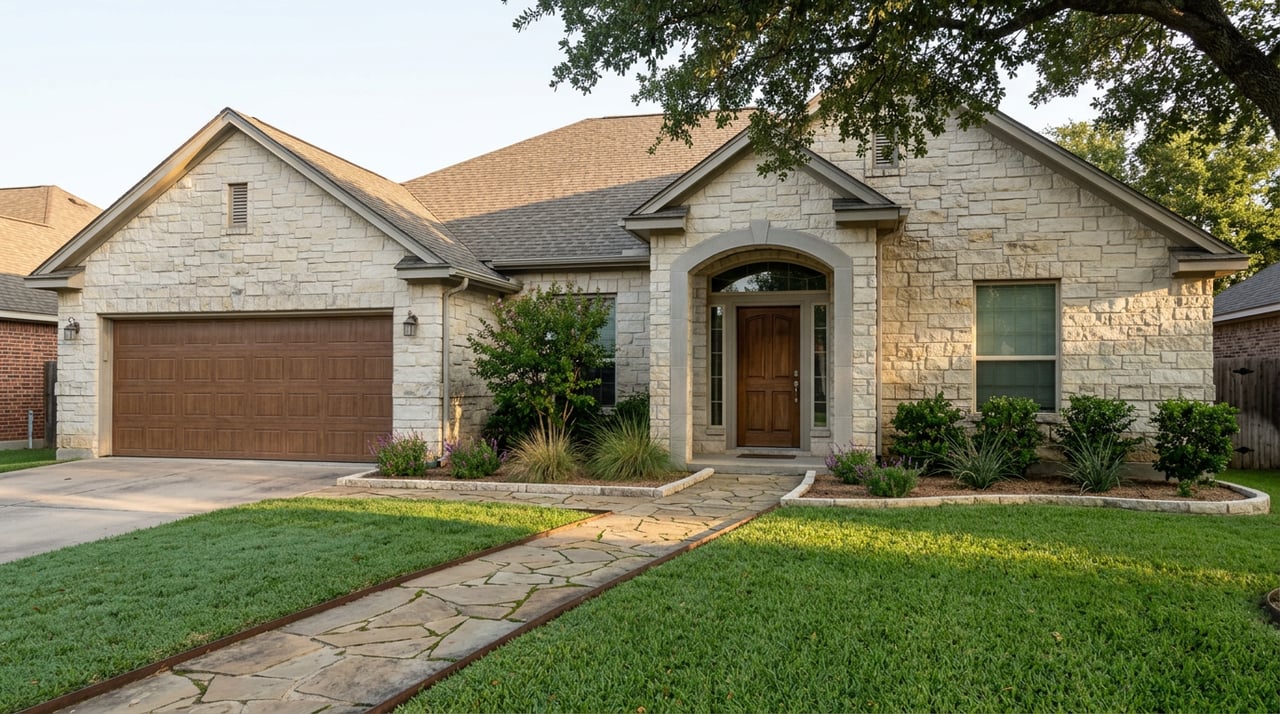
If your Northwest Hills home feels warm by midafternoon or your AC seems to run nonstop in summer, you are not imagining it. In this part of Austin, energy efficiency is less about trendy upgrades and more about comfort, humidity control, and smart resale prep. Whether you are buying, selling, or planning improvements, understanding which features matter most can help you make better decisions. Let’s dive in.
Why energy efficiency matters in Northwest Hills
Northwest Hills sits in a hot-humid climate zone, and Austin uses climate zone 2A in its local code tables. That matters because homes here are dealing with intense summer heat, humidity, and long cooling seasons more than long winters.
Austin’s climate outlook also points to hotter summers, more frequent heatwaves, a higher heat index, and fewer cold spells. In practical terms, that means the best energy-efficient features in Northwest Hills are usually the ones that reduce heat gain, tighten the home’s envelope, and help your cooling system run more effectively.
For many homeowners, energy efficiency also connects to resale. Within Austin city limits, Austin Energy’s ECAD program requires an energy audit before sale for homes that are 10 years old or older. If you are preparing to list, energy features can affect both buyer perception and the disclosure process.
Start with the home envelope
In Northwest Hills, the highest-impact upgrades in many existing homes are often the least flashy. Before focusing on solar panels or major equipment swaps, it usually makes sense to look at how well the home keeps conditioned air in and summer heat out.
Attic insulation comes first
If a home has less than an R-30 equivalent in the attic, the U.S. Department of Energy says more insulation will usually help. Austin Energy’s Home Energy Savings program specifically prioritizes attic insulation up to R-38, which gives you a useful benchmark when evaluating older homes.
In real life, attic insulation can make a big difference in how a home feels during peak summer heat. Rooms may stay more even in temperature, and the HVAC system may not need to work as hard just to keep up.
Air sealing matters just as much
Insulation works best when the house is not leaking air. Gaps around penetrations, access points, and other openings can let cooled air escape and allow hot, humid air inside.
That is why DOE guidance says air leaks and roof repairs should be addressed before adding insulation. In many Northwest Hills homes, this step is one of the most practical ways to improve comfort without changing the look of the property.
Duct sealing is often overlooked
Ducts can lose conditioned air before it ever reaches your living spaces. Austin Energy includes duct sealing, duct repair, duct insulation, duct replacement, and plenum improvements among its priority upgrades for home energy savings.
If you are touring a home and some rooms feel much warmer than others, duct performance may be part of the story. For sellers, improved ductwork can also help support a smoother conversation around comfort and system performance during buyer due diligence.
Windows and shading play a big role
Windows do more than bring in light. In a cooling-dominant climate like Northwest Hills, they can also be a major source of unwanted heat.
Low-e windows help control heat gain
DOE notes that low-e windows typically cost about 10% to 15% more than standard windows. It also says they can reduce energy loss by as much as 30% to 50%, and certain low-e coatings made for cooling climates can filter 40% to 70% of transmitted heat.
For buyers, that means low-e windows can be a meaningful feature, especially in homes with large west-facing or sun-exposed glass. For sellers, they can be a clear talking point when explaining how the home handles summer conditions.
Solar screens can be effective in Austin
Solar screens are common in Austin for a reason. Austin Energy offers a rebate of $1 per square foot for residential solar screens, and the utility says they can block up to 70% of the sun’s heat and reduce indoor temperature by 10 to 15 degrees during warmer months.
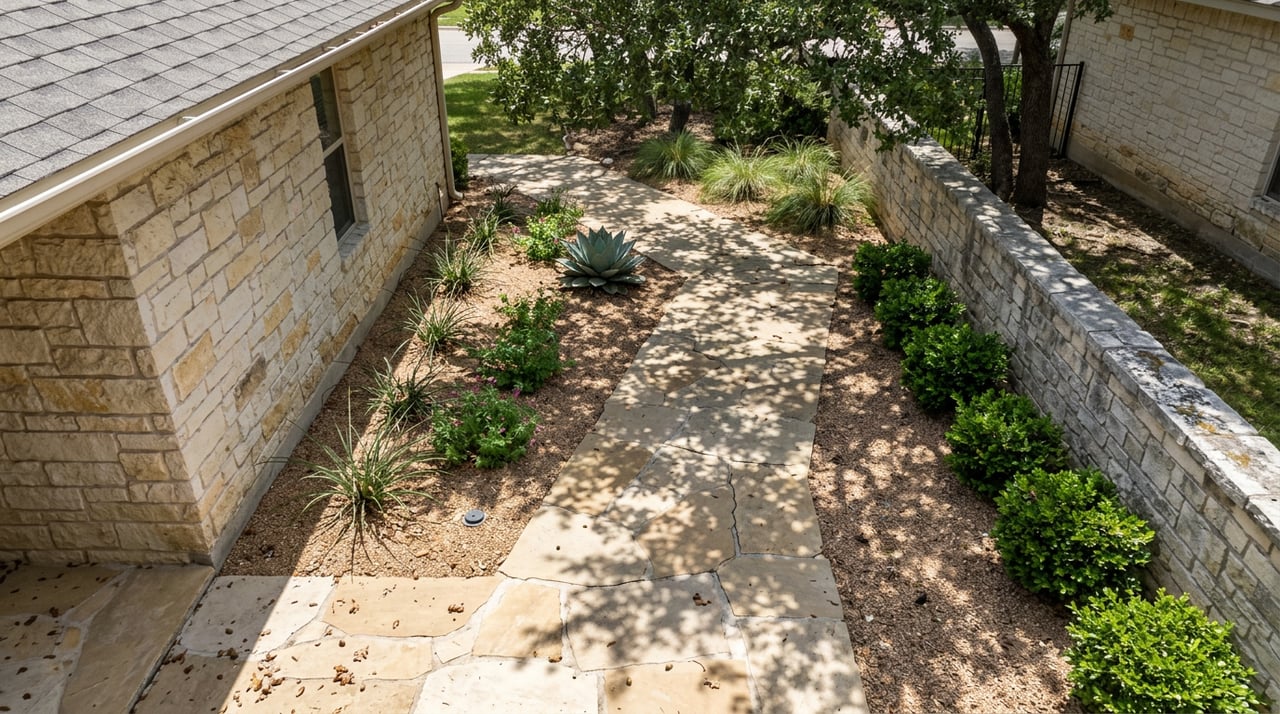
That can be especially relevant in Northwest Hills, where mature trees, elevation changes, and home orientation create very different sun exposure patterns from one property to the next. In some homes, solar screens are doing much of the heavy lifting on older single-pane windows.
Shading shows up in the audit process
This is not just about comfort. Austin Energy’s ECAD audit looks at windows, window shading, and how many windows receive more than one hour of direct sunlight.
If you are getting a home ready to sell, shade strategies can matter more than you think. Buyers often notice the feel of a home first, but the audit process may also reflect how well the property handles sun exposure.
HVAC efficiency is about comfort, too
In Northwest Hills, a good HVAC system is not only about lower utility use. It is also about steadier temperatures, better humidity control, and less short cycling during long hot stretches.
Heat pumps are worth understanding
DOE and ENERGY STAR both note that heat pumps provide efficient heating and cooling. DOE also says high-efficiency heat pumps tend to dehumidify better than standard systems, which matters in Austin’s hot-humid climate.
That can make a difference in how comfortable a home feels, even when the thermostat setting looks the same. A house that controls humidity well often feels cooler and more stable throughout the day.
Variable-speed systems can improve comfort
DOE notes that variable-speed or dual-speed motors can reduce on-off cycling, improve comfort, and save electricity. In practice, this can mean fewer temperature swings and a quieter, more consistent indoor environment.
If you are comparing homes, it is worth asking not just how old the HVAC system is, but also what type of system it is. A newer or better-matched system can be a meaningful value point in an older Northwest Hills home.
Weatherize before replacing equipment
If you are planning a major system upgrade, DOE advises weatherizing the home first, especially when replacing a gas heating system with a heat pump. The reason is simple: a tighter, better-insulated home allows the new equipment to perform more effectively.
That sequence matters for budgeting. It can help you avoid paying for high-performance equipment before addressing the attic, leaks, or ducts that are making the system work harder.
Smart thermostats are a useful finishing layer
Smart thermostats are not the first upgrade to make, but they can be a helpful final step once the basics are in place. ENERGY STAR says certified smart thermostats must work as basic thermostats, allow scheduling, provide energy-use feedback, and work with utility programs that support grid stability.
Austin Energy currently offers a $50 rebate for eligible smart thermostats, along with added Power Partner incentives for enrolled devices. For many homeowners, that makes this a relatively easy feature to add after bigger comfort issues have already been addressed.
Solar can make sense, but not for every roof
Rooftop solar gets plenty of attention, but it is usually most effective after the home envelope and cooling performance are in good shape. In Northwest Hills, roof condition, orientation, and shade are especially important.
Check shade and roof condition first
Austin Energy offers a $2,500 residential solar rebate and Value of Solar bill credits for on-site energy production. To qualify, a system must be at least 3 kW DC, mostly free of shading, and approved with a Solar Rebate Confirmation Letter before installation.
That means not every home is a strong solar candidate, even if the idea sounds appealing. Mature trees, roof layout, and lot orientation can all affect whether solar performs well enough to justify the investment.
Tax treatment matters for owners
Travis Central Appraisal District offers a solar and wind-powered energy device exemption, but leased systems do not qualify. The property owner must own both the property and the solar system on January 1 of the year they want the exemption, and the completed application must be filed by April 30.
For buyers considering a home with solar, ownership details are important. For sellers, keeping records such as rebate confirmation, exemption filings, and warranty information can make the feature easier for a buyer to evaluate.
Energy upgrades and resale prep
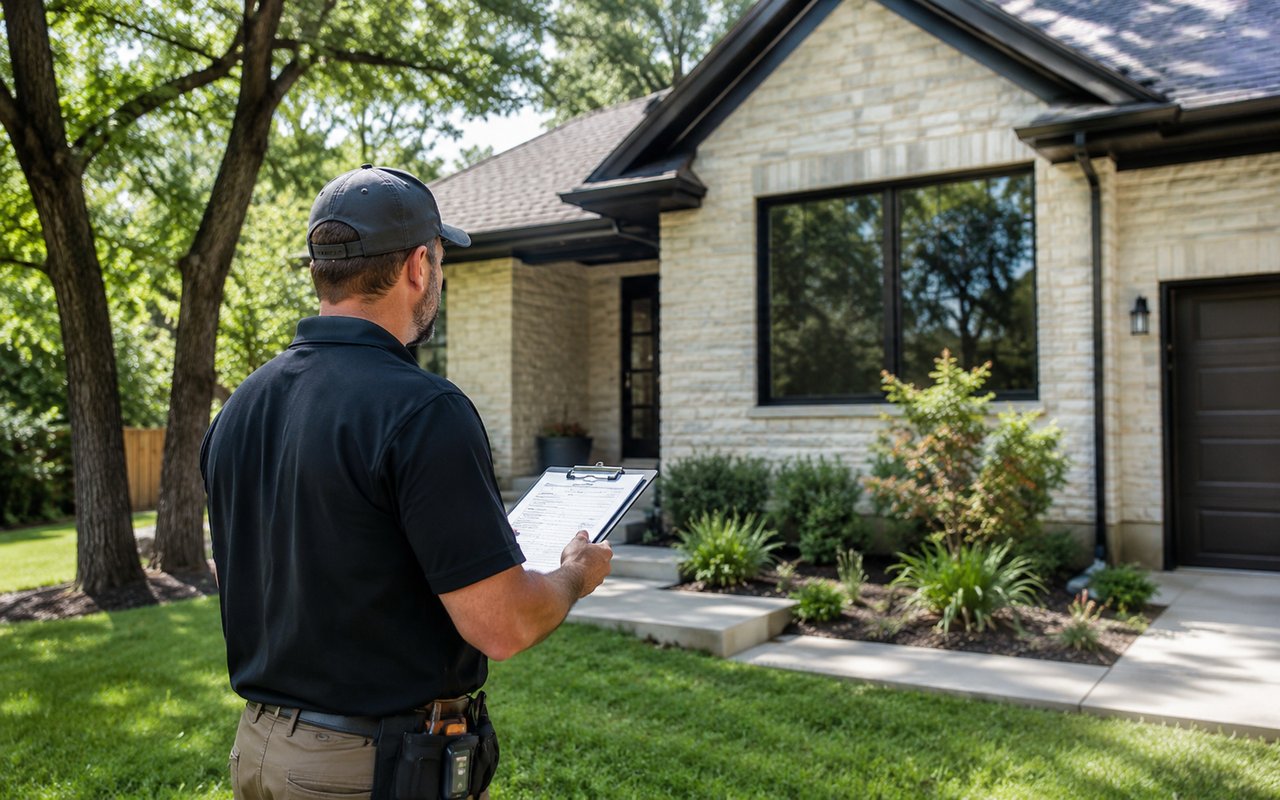
If you are selling in Northwest Hills, efficiency features can support both everyday appeal and transaction readiness. Austin Energy says ECAD audits must be performed by a RESNET Rater or BPI Building Analyst Professional, and the estimated average cost is about $200 to $300 for a typical single-family home of 1,800 square feet or smaller with one air-conditioning system.
The audit evaluates windows, window shading, attic insulation, air conditioning and heating systems, low-flow toilets, and the air duct system. That makes it easier to see why attic work, duct improvements, shading, and HVAC updates often come up in pre-listing conversations.
Austin Energy also says participation in its Home Energy Savings program can exempt a home from ECAD reporting requirements for 10 years in the City of Austin. The same program advertises average rebates around $3,000 plus 0% financing, while the lower-cost Home Energy Savings Essential program advertises average rebates around $1,500.
What buyers should ask about
When you are touring homes in Northwest Hills, a polished kitchen may grab your attention first. Still, the energy features behind the walls and above the ceiling often have a bigger effect on how the home will live day to day.
Here are some smart questions to ask:
- How much attic insulation is in place?
- Has the attic been air sealed?
- Have the ducts been sealed, insulated, repaired, or replaced?
- Is the HVAC system a heat pump?
- When was the HVAC system last updated or serviced?
- Are the windows low-e?
- Are solar screens or other shading features helping with heat control?
- Is there a smart thermostat?
- If the home has solar, is there utility rebate documentation, warranty information, and tax exemption paperwork?
These are the same categories Austin Energy and the City of Austin use when evaluating energy performance and disclosure. For buyers, they can help you understand comfort, future costs, and possible improvement needs before you make an offer.
What sellers should prioritize
If you are preparing to list, you do not need to do every possible upgrade to make your home more competitive. In many Northwest Hills homes, the most practical path is to focus on the items that improve comfort, photograph well in buyer messaging, and align with the ECAD process.
A strong first-pass checklist often includes:
- Attic insulation level
- Air sealing improvements
- Duct sealing or repair
- HVAC age, type, and maintenance history
- Window shading, solar screens, or low-e features
- Smart thermostat installation
- Solar documentation, if applicable
This is also where a neighborhood-specific advisor can help you sort useful improvements from unnecessary ones. In Northwest Hills, the right answer often depends on the age of the home, lot orientation, tree cover, and whether you are optimizing for immediate comfort, resale timing, or both.
If you want help evaluating which energy-efficient features actually matter in your Northwest Hills home, or which ones deserve closer attention before you buy or sell, connect with Albert Allen. You will get practical guidance rooted in local market knowledge, construction literacy, and a clear plan for your next move.
FAQs
What energy-efficient home features matter most in Northwest Hills?
- In many existing Northwest Hills homes, the most important features are attic insulation, air sealing, duct sealing, HVAC performance, window shading or low-e windows, smart thermostats, and then solar if the roof and shade conditions make sense.
What does the Austin ECAD audit review for a Northwest Hills home sale?
- Austin Energy says the ECAD audit evaluates windows, window shading, attic insulation, air conditioning and heating systems, low-flow toilets, and the air duct system for qualifying homes within Austin city limits.
Are solar screens useful for homes in Northwest Hills, Austin?
- Yes. Austin Energy says solar screens can block up to 70% of the sun’s heat and reduce indoor temperature by 10 to 15 degrees during warmer months, especially on sun-exposed windows.
Should you replace the HVAC system before weatherizing a Northwest Hills home?
- Usually, it is smart to address attic insulation, air leaks, and ducts first. DOE says weatherizing first can help a new heat pump or upgraded system perform better and improve comfort.
Does rooftop solar qualify for local incentives in Northwest Hills?
- It can, if the system meets Austin Energy requirements such as minimum size, limited shading, and pre-installation approval. Travis Central Appraisal District also offers a solar energy device exemption for qualifying owned systems.