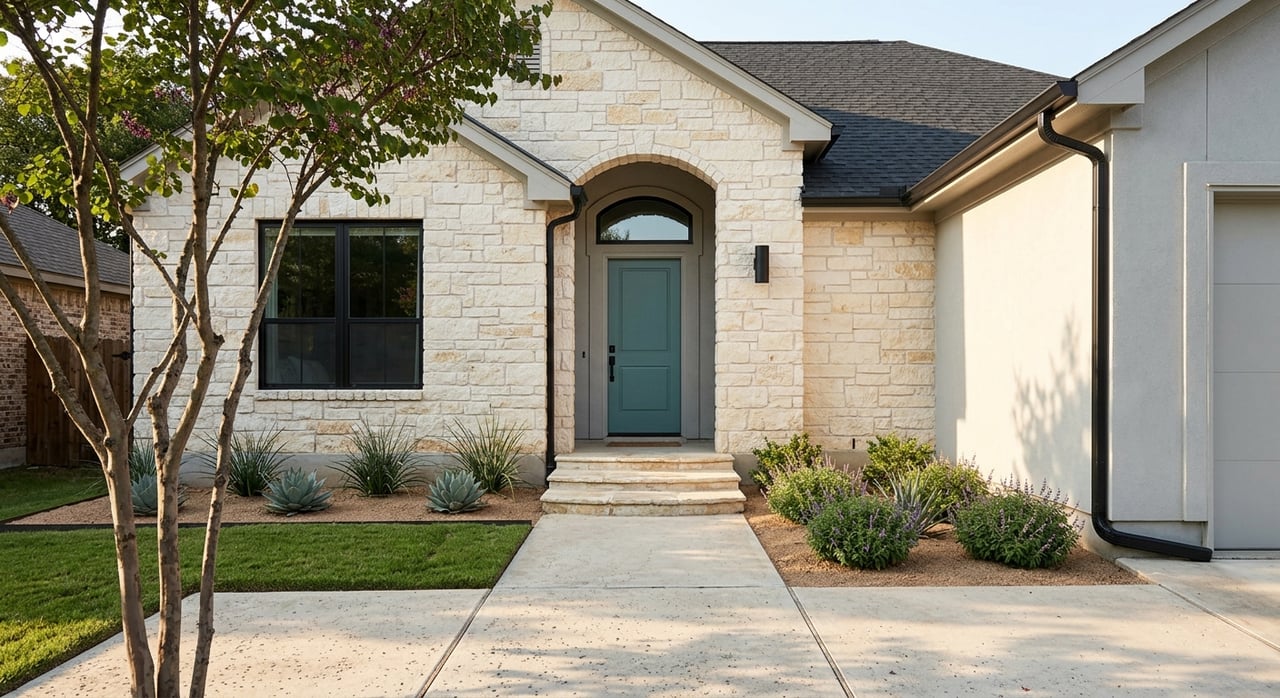
If you have ever driven through Northwest Hills and thought, “Why does every block feel a little different?” you are not imagining it. This part of Austin has a broad mix of home styles shaped by its postwar roots, large lots, and hilly setting. If you are trying to understand what you are really looking at, this guide will help you decode the most common architectural styles, floor plans, and renovation patterns you will see in Northwest Hills. Let’s dive in.
Why Northwest Hills Looks So Varied
Northwest Hills is not one small, uniform subdivision. According to the Northwest Austin Civic Association, the area generally spans RM 2222, Loop 360, U.S. 183, and MoPac, with more than 6,200 single-family households and more than 5,000 apartments within its footprint.
That scale helps explain the neighborhood’s range of architecture. It developed as a postwar northwest Austin residential area, and an Austin Parks & Recreation bibliography identifies David B. Barrow as the developer tied to Northwest Hills. Over time, original homes, major remodels, and custom rebuilds all became part of the neighborhood’s visual identity.
The setting matters too. Northwest Hills sits within Austin’s park- and greenspace-rich Council District 10, which helps explain why buyers often notice mature trees, privacy, and hill views just as much as square footage or finish level.
The Five Main Home Styles
In practical terms, most Northwest Hills homes fall into five broad categories. Once you know the difference, it becomes much easier to understand value, layout, and renovation potential.
Ranch Homes
Ranch homes are one of the neighborhood’s core style families. The National Park Service description of ranch housing highlights the features buyers still recognize today: low-pitched roofs, one-story or split-level layouts, rectangular plans, large windows, and patios or decks.
In Northwest Hills, ranch homes often feel grounded and easy to live in. You will usually see a low-slung profile, a strong connection to the backyard, and a layout that prioritizes practical daily use over formal showpiece spaces.
Mid-Century Homes
Mid-century homes share some DNA with ranch houses, but they tend to lean more architectural in appearance. Austin preservation materials describe mid-century modern design as low-profile, horizontally oriented, and minimally ornamented, with features such as larger glass areas, open living spaces, exposed beams, clerestory windows, and sliding glass panels.
In Northwest Hills, this often translates to homes with clean lines, strong bones, and an indoor-outdoor feel that still appeals to today’s buyers. Even when finishes are dated, the architecture itself can be a major selling point.
Traditional Homes
Traditional homes in Northwest Hills usually read as more classic and formal. They are often built with brick or masonry and tend to have more room separation and less glass-forward design than mid-century homes.
This is the style many buyers mean when they say a home feels established or timeless. In local examples, traditional homes often include larger rooms, covered patios, and floor plans with clearly defined living and entertaining spaces.
Remodeled Contemporary Homes
A remodeled contemporary is often an older Northwest Hills house that has been extensively updated. In many cases, the original shell remains, but the home lives and looks more like a modern property because the systems, finishes, and layout have been upgraded.
Listing examples in the research describe renovations with new plumbing, electrical, HVAC, insulation, windows, updated siding, and more open interiors. This style can be especially appealing if you want a mature lot and established setting without taking on a full renovation yourself.
Newer Custom Construction
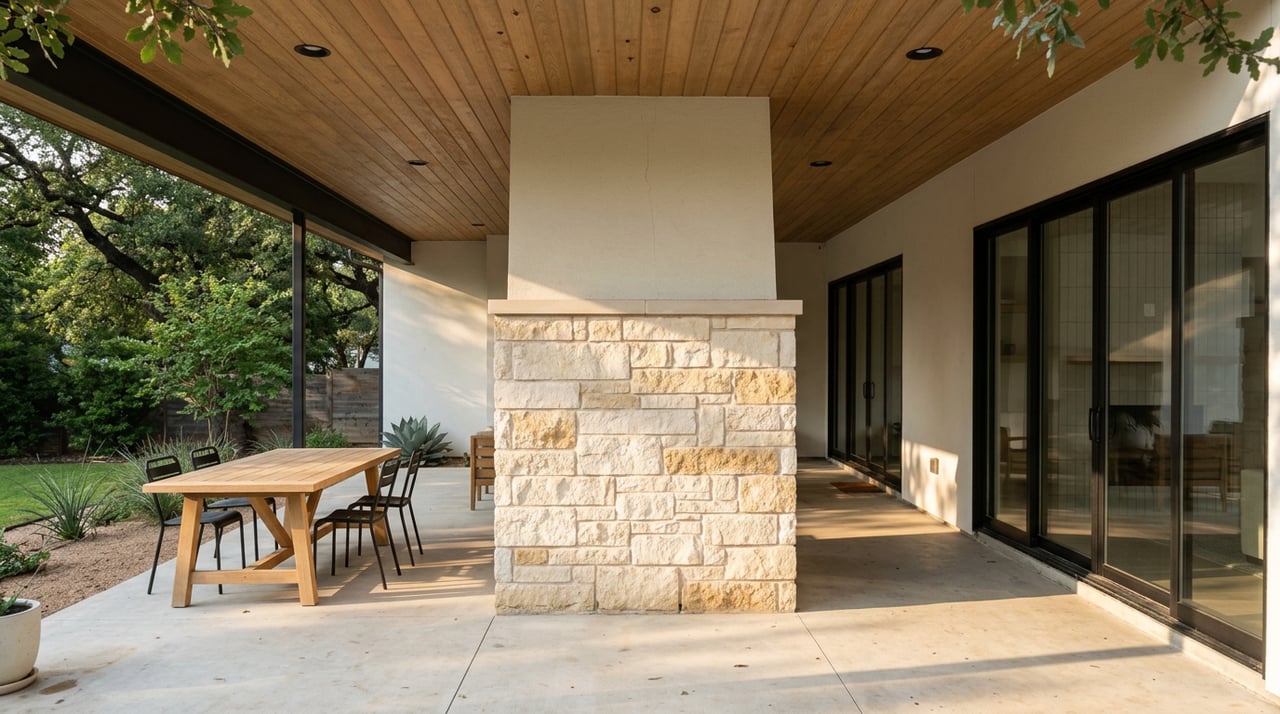
Newer construction in Northwest Hills tends to be custom or infill rather than tract-built. These homes are usually larger, often two stories, and commonly include materials such as Texas limestone or stone veneer.
Compared with older homes, newer custom properties often offer features buyers expect today, such as main-level primary suites, attached garages, flex spaces, game rooms, and stronger indoor-outdoor flow. In many cases, the lot is a major part of the value equation, especially on view-oriented or larger parcels.
What These Styles Look Like in Real Life
If you are touring homes in Northwest Hills, here is a simple way to identify what you are seeing.
Signs of a Ranch Home
- Low-slung roofline
- Mostly one-story living
- Wide footprint rather than vertical height
- Patio-focused backyard connection
- Simple, practical exterior details
Signs of a Mid-Century Home
- Horizontal lines and low profile
- Large windows or glass doors
- Minimal ornamentation
- Open main living areas
- Architectural details like exposed beams or clerestory-style windows
Signs of a Traditional Home
- Brick, stone, or masonry exterior
- More formal front elevation
- Clear room separation
- Defined living, dining, or study spaces
- A classic, established look rather than a sleek modern one
Signs of a Remodeled Contemporary
- Older lot with a more updated visual style
- Open kitchen and living spaces
- New windows, siding, or roofing
- Cleaner interior lines and more current finishes
- Modern systems hidden behind an original footprint
Signs of Newer Custom Construction
- Larger scale and taller massing
- Two-story design in many cases
- Attached garages and broader driveways
- Main-level primary suite and bonus spaces
- More recent materials and layout priorities
Typical Floor Plans in Northwest Hills
Northwest Hills housing stock reflects the neighborhood’s main growth era. City housing-stock data notes a typical single-family home size of 2,575 square feet, with much of the neighborhood dating to the 1960s and 1970s according to City of Austin housing data.
That era shows up clearly in the floor plans. Many older homes have separate formal and casual living areas, which was common at the time and still works well for some households.
As homes have been remodeled, many owners have opened walls between kitchens, dining areas, and family rooms. That means you will often see a home with mid-century or ranch origins paired with a much more current day-to-day layout.
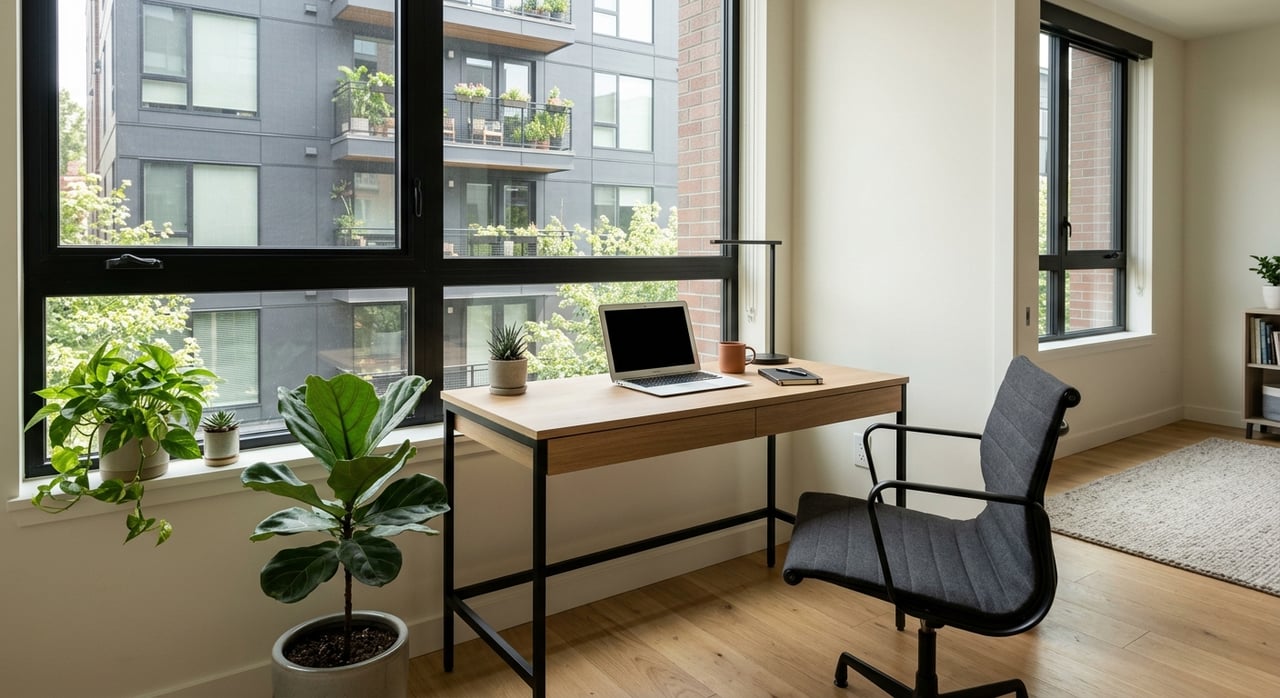
Newer custom homes usually push further in that direction. They often add office space, flex rooms, and larger entertaining areas while improving the connection between interior living space and the lot.
Lots, Views, and Site Features Matter
Architecture is only part of the story in Northwest Hills. The lot often shapes how a home lives just as much as the structure itself.
The research shows a broad lot-size range, with examples around 9,500 square feet, 10,800 square feet, 13,952 square feet, and nearly half an acre. That variety is one reason the neighborhood can support compact original ranch homes, expanded remodels, and full custom rebuilds in the same general area.
In practical terms, buyers often respond strongly to site features such as:
- Mature trees
- Hill or skyline views
- Backyard privacy
- Flat driveways
- Usable outdoor living areas
- Strong curb appeal tied to topography and setbacks
When you compare homes here, it helps to think of the house and the lot as one package. A simpler home on an excellent site may compete well with a more updated home on a less compelling parcel.
How Renovations Influence Value
One of the clearest patterns in Northwest Hills is what you could call preserve the lot, modernize the house. Many buyers want the neighborhood’s mature setting and established streetscape, but they also want updated systems and a more functional interior.
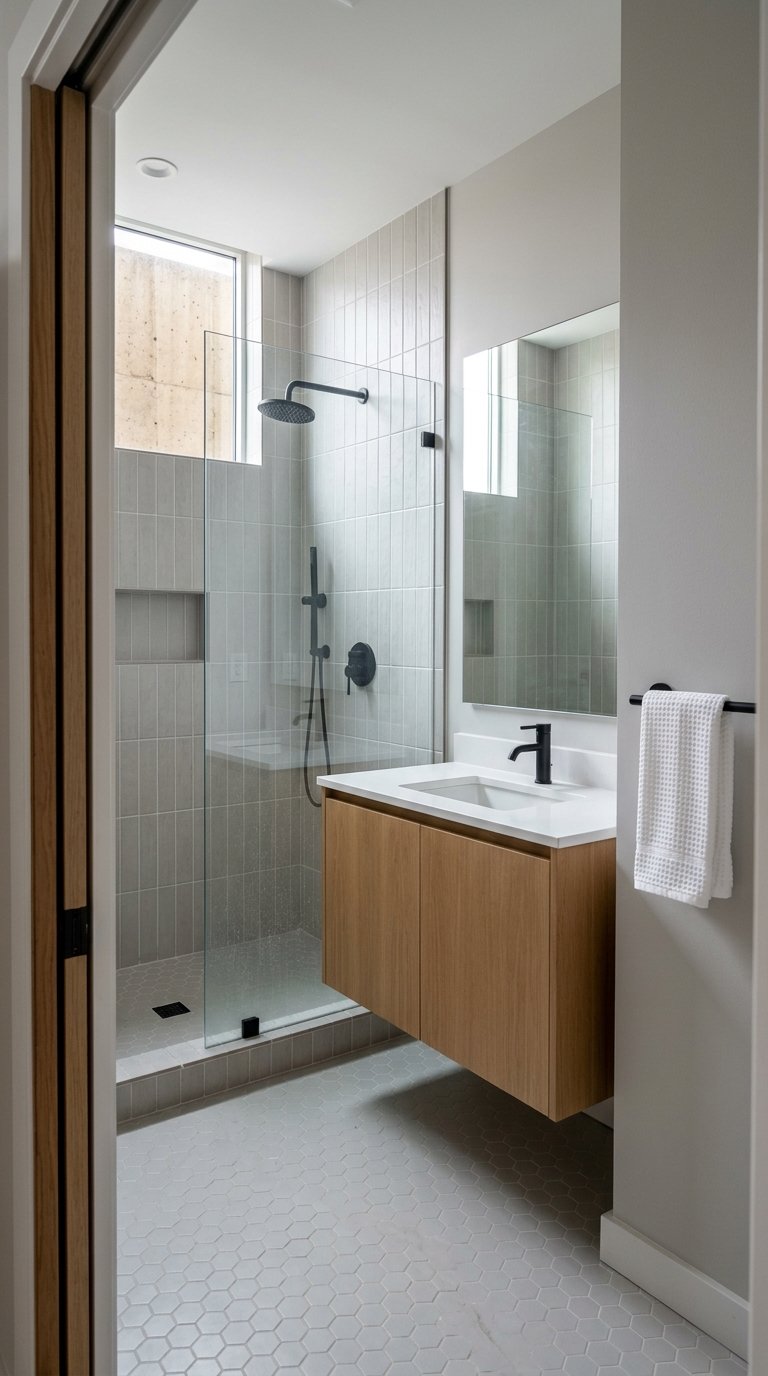
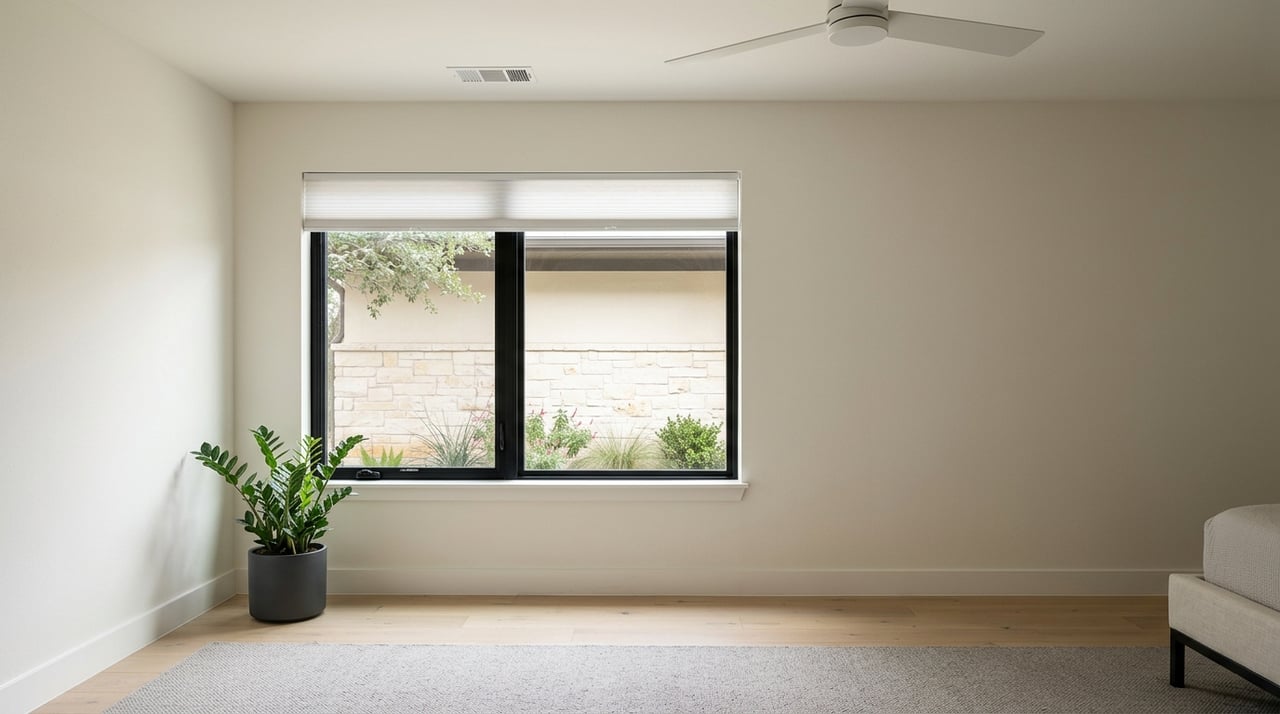
That is why well-executed renovations tend to focus first on the basics you do not always see right away. Updated plumbing, electrical, HVAC, insulation, and windows often matter just as much as a new kitchen or bath, especially in an older home.
Character still matters too. Buyers often appreciate renovations that keep details like original brick, limestone fireplaces, covered patios, or mature oaks while improving the way the home functions.
Because exterior changes can vary across the broader area, it is also helpful to understand that Northwest Hills is not as visually controlled as some newer master-planned communities. The research notes that many HOAs exist in the broader NWACA footprint, but many homes are not in an HOA, which can lead to more architectural variety from one property to the next.
A Simple Vocabulary Guide
If you want a quick way to describe Northwest Hills architecture, this cheat sheet helps:
| Style | What it usually means |
|---|---|
| Ranch | Low-slung, often one-story, patio-oriented living |
| Mid-century | Horizontal lines, larger glass areas, simpler ornament |
| Traditional | Brick or stone exterior, more formal room separation |
| Remodeled contemporary | Original structure with updated systems and a more open interior |
| Newer construction | Custom or infill home with larger footprint and flexible space |
What Buyers Should Watch For
If you are buying in Northwest Hills, it helps to look beyond style alone. A beautiful exterior can get your attention, but long-term value usually comes from how architecture, condition, and site work together.
As you tour homes, pay attention to:
- Whether the layout matches how you actually live
- How much of the home is original versus updated
- Whether major systems appear to have been replaced
- How the home connects to outdoor space
- Whether the lot offers privacy, views, or usability that is hard to recreate
- Which original details add character rather than create future cost
This is especially important in a neighborhood where two homes with similar square footage can feel very different in layout, light, and renovation quality.
Why This Matters for Sellers Too
If you own a home in Northwest Hills, understanding your home’s architectural category can help you position it more effectively. Buyers do not just compare price per square foot here. They compare style, lot quality, renovation depth, and how well a home captures the character of the neighborhood.
A mid-century home with intact design features may need a different marketing approach than a traditional brick home or a fully remodeled contemporary. The strongest listing strategy usually explains not just what has been updated, but also why the home fits Northwest Hills so well.
If you are buying or selling in Northwest Hills, local context matters. Working with a neighborhood specialist can help you evaluate original architecture, renovation quality, lot potential, and even off-market opportunities that fit your goals. If you want tailored guidance and private access to Austin listings, connect with Albert Allen.
FAQs
What are the most common home styles in Northwest Hills?
- The most common styles are ranch, mid-century, traditional, remodeled contemporary, and newer custom construction.
What makes a Northwest Hills ranch home different from a mid-century home?
- A ranch home is typically low-slung and practical with patio-oriented living, while a mid-century home usually emphasizes horizontal lines, larger glass areas, and more architectural detailing.
Are most Northwest Hills homes from the same era?
- Many of the neighborhood’s single-family homes date to the 1960s and 1970s, though the area also includes later remodels and newer custom homes.
How large are homes in Northwest Hills on average?
- City housing data cited in the research places the typical single-family home size at 2,575 square feet.
Do Northwest Hills homes usually have large lots?
- Lot sizes vary widely, with examples in the research ranging from around 9,500 square feet to nearly half an acre.
What should buyers look for in a remodeled Northwest Hills home?
- Buyers should look for updated systems like plumbing, electrical, HVAC, insulation, and windows, along with a layout that improves function while respecting original character.
Are newer homes in Northwest Hills mostly tract homes or custom builds?
- Newer homes in Northwest Hills are generally custom or infill homes rather than tract-built properties.
Why do Northwest Hills homes feel so different from block to block?
- The neighborhood covers a large area, developed over time, with varied lot sizes, original postwar homes, major remodels, and custom rebuilds all contributing to the mix.