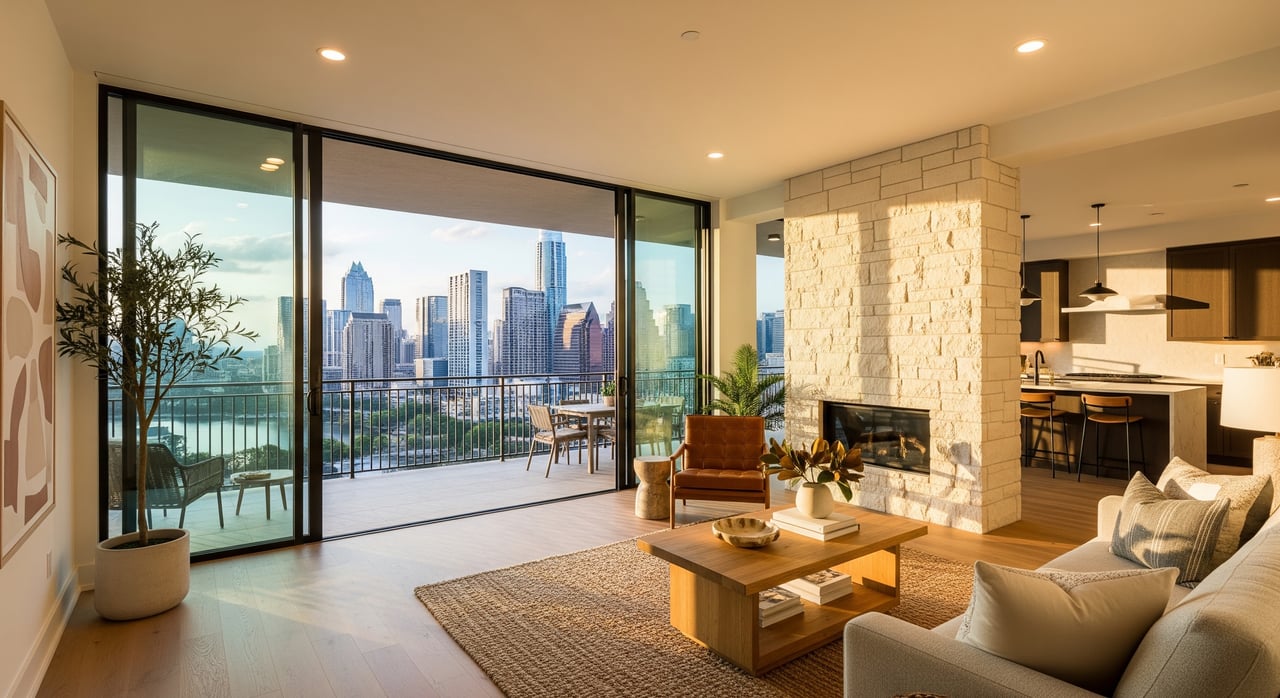
Imagine stepping out your front door, grabbing coffee around the corner, and being on the lake trail before your first meeting. If you are drawn to walkability, quick commutes, and low exterior maintenance, a Downtown Austin condo can fit your routine. You will trade some private space for everyday access to restaurants, parks, and services. This guide shows you how a typical day unfolds, what building life really costs, and the practical trade-offs to weigh. Let’s dive in.
Morning rhythms and quick starts
Downtown mornings move fast. You can pick up coffee and a quick breakfast within a short walk or scooter ride of most residential towers. Many residents prefer walking or micro-mobility to reach nearby offices and meetings.
If you work outside the core, you can choose Capital Metro buses, ride-hail, or a garage commute. For errands, small-format markets and specialty grocers serve quick restocks, while larger grocery trips happen by car or through delivery. You save time daily, even if some bulk shopping shifts to weekends.
Workday flow and midday breaks
If you work downtown, lunches often happen on patios, at food halls, or in cafés. Short walks to meetings are common. When you need a reset, the Ann and Roy Butler Hike-and-Bike Trail along Lady Bird Lake offers fresh air for a quick loop or a longer run.
Remote and hybrid workers find that many condo buildings now include shared workspaces or business lounges. If your building does not, nearby cafés and coworking spaces provide flexible options. Package deliveries are frequent in urban towers, so dedicated locker rooms or concierge reception are common and help prevent missed packages.
Evenings, fitness, and nightlife
After work, you have options. Many residents start with the building gym, then stroll to dinner or a show. Downtown offers a wide range of restaurants, live music venues, and cultural events within walking distance.
Weeknights in residential corridors can feel relaxed. On weekends or during major events, crowds and noise increase. Large festivals, including SXSW season, draw visitors and traffic, so residents often plan routes, reservations, and guest parking ahead of time.
Weekend routines that feel easy
Weekends often mean the lake trail, paddle boarding, or a jog before brunch. Farmers markets and nearby parks like Republic Square and Auditorium Shores add green space to your routine. You might make a short car trip for bulk groceries or visit adjacent districts like South Congress or Rainey Street.
If you host friends and family, coordinate visitor parking early. Public garages and metered spaces exist, but availability shifts during peak times and events.
Building amenities you will actually use
Most downtown buildings include secure lobby access, elevators, a fitness center, a pool, on-site management, and package rooms. Many are pet-friendly, sometimes with dog wash stations and clearly defined pet policies. These features support daily convenience and reduce friction for busy schedules.
Premium towers add 24-hour concierge, valet parking, rooftop decks, private lounges, conference rooms, resident events, and even guest suites. Shared workspaces are increasingly common as buildings adapt to remote and hybrid work.
When touring, match amenities to your real lifestyle. If you prefer the lake trail, a basic fitness room may be plenty. If you host often, guest suites and larger lounges can be worth the premium.
HOA costs, rules, and what to review
Condo living is organized by a homeowners association. Bylaws define maintenance responsibilities, assessments, pet rules, rental restrictions, and whether short-term rentals are allowed. Before you buy, review the full HOA resale packet, including budgets, reserve studies, financial statements, and meeting minutes.
Monthly dues usually cover building exterior and common-area maintenance, landscaping, elevators, building insurance, some utilities like water and garbage, security, and reserve contributions. In Downtown Austin, dues vary widely, from a few hundred dollars in smaller buildings to over a thousand dollars in luxury towers. The cost depends on services, amenities, and building age.
Pay close attention to reserve funds, history of special assessments, and any active litigation. Healthy reserves help manage big-ticket items like roofs, elevators, and common HVAC systems without frequent special assessments.
Insurance and maintenance basics
You typically insure the interior of your unit with an HO-6 policy, plus your personal property. The HOA carries a master policy for the structure and common elements, as defined in the declaration. Confirm the boundaries of responsibility so you know what is covered if a water leak or other incident occurs.
Day to day, you handle interior maintenance while the HOA addresses exteriors and shared systems. This division reduces your personal upkeep, which is a major draw for condo buyers seeking efficiency.
Parking, mobility, and getting around
Parking is usually in an assigned garage space. It may be included with your unit, sold as a separate deeded spot, or rented monthly. Visitor parking can be tight and often requires coordination with the front desk or use of public garages. If you keep a car, factor parking costs and logistics into your budget.
Many residents rely less on driving. Walking, bike-share, and scooters help with short trips. Capital Metro buses serve multiple downtown corridors, and long-term transit plans continue to evolve. Traffic and parking prices fluctuate with commute hours and event calendars, so flexible mobility is a plus.
Parks, green space, and fresh air
The Ann and Roy Butler Hike-and-Bike Trail is a daily staple for many downtown residents. Auditorium Shores and Republic Square offer open space for workouts, picnics, and community events. Pocket parks add quick green relief for dog walks and short breaks.
Outdoor access can define your routine. If you value quiet, visit buildings at different times to understand street activity and event impacts. Proximity to the trail or a favorite park often ranks as highly as an amenity list.
Groceries, services, and daily tasks
You can handle most errands close to home. Downtown has a mix of small-format groceries, specialty markets, pharmacies, dry cleaners, salons, and fitness studios. Larger supermarket trips are easy to schedule by car or through delivery.
Medical and professional services are centralized as well, which can reduce commute time to appointments. Many residents plan one or two larger shopping runs per month and rely on delivery for the rest.
Trade-offs to weigh before you buy
- Space vs convenience: You trade private square footage for proximity and time savings.
- Cost considerations: Price per square foot and HOA dues can be higher, but maintenance and commute costs may drop.
- Noise and events: Vibrant energy comes with occasional crowd and sound spikes.
- Parking and car ownership: Many residents own fewer cars and use transit, walking, or scooters.
- Community vs privacy: You gain shared amenities and social opportunities with fewer private outdoor areas.
A practical checklist for due diligence
- Review HOA documents carefully, including CC&Rs, budgets, reserve studies, minutes, and any litigation disclosures.
- Verify parking: deeded or assigned, number of spaces, and any monthly fees.
- Confirm what utilities and services are included in dues.
- Visit the building on weekday mornings, evenings, and weekends to gauge noise and foot traffic.
- Confirm short-term rental and leasing rules if you plan to rent.
- Ask about planned capital projects or potential special assessments.
- Map transit routes, grocery options, and services within walking distance of the building.
Safety, noise, and event awareness
Downtown is active day and night, and property crime concerns can vary block by block. To get accurate context, review crime maps and building security features like concierge coverage, cameras, and controlled access. For noise, check proximity to entertainment streets, and tour at different times to understand the true sound profile.
Major events add excitement but also crowds and traffic. Build a plan for guest passes, dinner reservations, and alternate routes during peak weeks.
How we help you choose well
Choosing the right downtown condo is about alignment with your actual routine. We help you compare buildings, amenities, and HOA health, and we overlay that with your lifestyle priorities. Our process pairs neighborhood knowledge with a clear due diligence checklist so you move forward with confidence.
We also unlock private and coming-soon opportunities through Compass networks, coordinate live or virtual tours, and bring construction and sustainability expertise to inspections and long-term planning. If you want a boutique advisory that respects your time and gets the details right, we are ready to help.
Ready to explore? Connect with Albert Allen to schedule a discovery call and see which Downtown Austin condos fit your day-to-day life.
FAQs
What do HOA fees usually cover in Downtown Austin condos?
- Most dues include common-area maintenance, exterior upkeep, building insurance, some utilities like water and garbage, security, and reserve contributions; confirm specifics in the HOA budget.
How do short-term rentals work in downtown condo buildings?
- The City of Austin regulates short-term rentals, and your HOA can restrict or prohibit them; check both city rules and the association’s declaration before you buy.
Is parking included with a downtown condo purchase?
- Parking can be deeded, assigned, included, or rented monthly; verify the number of spaces, location, and any additional costs in the listing and HOA documents.
How noisy is living near downtown entertainment streets?
- Noise varies by block and building; visit at different times, ask about sound mitigation, and review proximity to nightlife corridors and event venues.
What insurance does a condo owner need in Austin?
- Owners typically carry an HO-6 policy for the interior and personal property; the HOA’s master policy covers common elements and structure as defined in the declaration.
How convenient is transit for downtown residents?
- Downtown is one of Austin’s most walkable areas, with access to Capital Metro buses, bike-share, and scooters; many residents walk or use micro-mobility for daily trips.
Are downtown condos generally pet-friendly?
- Many buildings allow pets and may offer features like dog wash stations, but policies vary; confirm size limits, deposits, and rules in the HOA documents.