Wondering if you can rely less on a car while living in a downtown Austin condo? You are not alone. Many buyers want the energy and convenience of the urban core without the burden of daily driving and parking. In this guide, you will learn how car-light living actually works downtown, what building features make it easy, and the tradeoffs to plan for so you can decide with confidence. Let’s dive in.
What car-light looks like downtown
Car-light means most daily trips happen on foot, by bike, or with quick ride-hail, and you lean on delivery for heavy or bulky items. In downtown Austin, restaurants, coffee, gyms, and small-format groceries are often a short walk from many condo buildings. A practical rule of thumb helps: at a normal walking pace, you cover about 0.5 to 1 mile in 10 to 20 minutes; on a bike, most people ride a mile in about 5 to 10 minutes depending on traffic and route. Your exact routine will hinge on your address and how your building handles deliveries, storage, and guest parking.
Transit, bikes, and micromobility today
Capital Metro runs frequent bus service through downtown, and the MetroRail connects the northern corridor to the core. You can explore routes, schedules, and trip planning on the Capital Metro site. Looking ahead, Project Connect is adding light rail and Bus Rapid Transit in phases, which will expand higher-frequency options over the coming years.
Biking continues to improve in the city center. Protected bikeways and on-street lanes exist on several downtown corridors, and the network grows through the City’s Bicycle Program. Shared e-scooters and dockless e-bikes are also common, though availability can vary with permits and providers.
Handling errands without a car
Groceries and meals
For everyday items, many residents walk to nearby markets or small-format stores. For weekly stock-ups, delivery and curbside pickup are common. Most buildings downtown fall within delivery zones for services like Instacart, DoorDash, and Uber Eats, and local chains such as H‑E‑B offer delivery and pickup options. Many households combine quick walks for fresh items with a scheduled bulk delivery to handle heavy goods.
Pharmacy and healthcare
You will usually find a pharmacy and urgent care options within a comfortable walk of many downtown addresses. For specialty care, plan a bus ride, a bike trip, or a quick ride-hail. Same-day prescription delivery is often available, which reduces last-minute trips.
Big and bulky items
Furniture and large appliances are typically delivered and brought up by the retailer’s team. If you prefer to handle a pickup yourself, consider a short-term truck rental or ask a friend with a vehicle. A building with a dedicated loading dock and clear delivery policies makes this much smoother.
Commuting and regional trips
If you work in or near the core, walking or biking can be your fastest, most predictable commute. For trips across town or to suburbs, use Capital Metro’s bus and rail, or turn to ride-hail when schedules do not align. As Project Connect rolls out, more regional commutes should become easier by rail or rapid bus.
Kids and schools
Families can make car-light work, but it takes planning. Look for daycare or schools that align with transit routes, confirm drop-off logistics at your building, and consider a backup car option for after-school activities or multi-stop days. Proximity to parks and play spaces helps simplify daily routines.
Travel and weekends
If you fly often, check transit and ride-hail times to the airport at different hours. For lake days, brewery runs, or trips to big-box stores, many residents schedule an occasional car rental or keep a flexible monthly parking lease.
Condo features that make car-light easy
Parking and vehicle policy
Ask if parking is deeded, assigned, or month-to-month. Deeded stalls usually convey with the unit, while rented stalls add a monthly cost. Confirm guest parking rules and how the building handles short-term parking for visitors and service providers.
Bike and micromobility storage
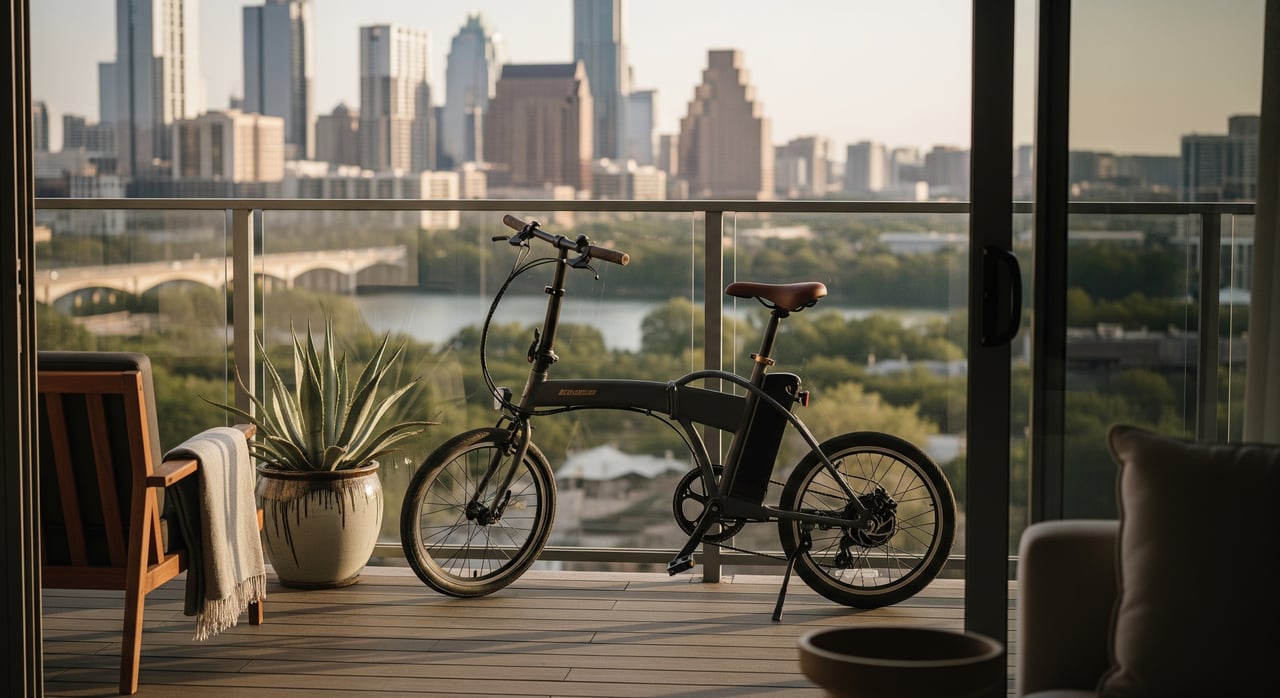
Look for secure, indoor bike storage with enough capacity for your household. If you ride an e-bike, check whether charging is allowed in the bike room and whether outlets are available. A small repair station or pump on site is a nice bonus.
EV charging
Even if you do not own a car today, EV capability can future-proof your purchase. Ask about common-area chargers, any waitlist, and whether the HOA allows charger installation at assigned stalls with proper approvals.
Package handling and deliveries
A staffed front desk, package lockers, or a secure mail room reduce missed deliveries and clutter in hallways. Ask about food delivery and rideshare procedures, like designated pickup zones or security screening.
Storage and lockers
Off-unit storage can be a game changer when you are not hauling gear in a car. Look for lockers or cages for seasonal items, coolers, or extra bike gear.
Location and micro-neighborhood
Do not assume “downtown” means everything is next door. Use Walk Score and a maps app to time walks and bike rides to your top spots. Check where the nearest full-service grocery, pharmacy, clinic, parks, and bus or rail stops are in real minutes from the lobby.
Costs and HOA dues
Clarify what is included in HOA dues and what is not. Common add-ons include extra parking, EV charging, storage lockers, and vendor parking. Review guest parking rules and towing policies so hosting is straightforward.
Quick checklist for showings
- Is parking included with the unit? If not, what are the options and current monthly rates for a stall?
- Where are the closest grocery, pharmacy, transit stop, and clinic? Are they within your comfortable walking distance?
- Is there secure bike storage? Are e-bikes allowed, and can you charge them on site?
- How does the building handle packages, food delivery, and rideshare pickup?
- What are the policies for owning a vehicle or installing EV charging? How many guest spots are available?
- Does the HOA have any partnerships with local mobility providers or carshare options?
Costs, tradeoffs, and realistic limits
- Parking can add materially to monthly costs if not included. Deeded parking can raise a condo’s price, while rented stalls create an ongoing fee. Delivery subscriptions and ride-hail can also add up.
- Walkable locations often trade larger unit sizes for proximity and convenience. Some weekend errands, long cross-town trips, and late-night rides are still easier by car.
- Expect to use ride-hail, short-term rentals, or a borrowed car at times. Micromobility fleets and delivery options can change, so keep a flexible mindset.
Smart strategies to make it work
Before you buy
- Map your top 10 destinations and time them by walking, biking, and bus or rail at commute and off-peak hours. Use Capital Metro planners and Walk Score for quick checks.
- Ask the HOA about historical parking availability, current waitlists for bike rooms or EV chargers, and any planned mobility upgrades.
Day-to-day habits
- Combine errands with walks or bike rides, and schedule a weekly bulk delivery for heavy items. Consider staples on auto-delivery through services like Instacart.
- Learn peak and off-peak transit patterns. Sign up for alerts in your preferred transit app.
Build a backup plan
- Keep a minimal car option for special cases: occasional rental, carshare membership, or a flexible parking lease.
- Identify nearby rideshare pickup zones and a reliable option for early mornings or late nights.
Community and services
- Choose a building with proactive management that supports secure bike storage, clear courier rules, and well-run package rooms.
- Build a neighbor network. A quick borrow or a helping hand for a large delivery can save a trip.
Is a downtown condo right for your car-light lifestyle?
Living car-light in a downtown Austin condo is realistic for many buyers who value walkability, delivery convenience, and flexible transit. The key is matching your address and building features to your actual routine, then keeping a simple backup for the few trips that are still easier by car. If you want a curated shortlist of condos that fit a car-light life and a showing plan built around your daily routes, we are here to help.
Ready to explore? Connect with Albert Allen for a discovery call and a personalized downtown condo search.
FAQs
Can I live completely car-free in a downtown Austin condo?
- Many single professionals and couples can handle daily needs without a car by walking, biking, transit, and delivery, but expect occasional ride-hail or short-term rentals for cross-town or bulky trips.
How do grocery runs work without a car downtown?
- Walk to nearby stores for fresh items and schedule weekly delivery or curbside pickup for heavy goods using services like Instacart or retailers’ own apps.
What transit improvements are coming to help downtown residents?
- Project Connect will add light rail and Bus Rapid Transit in phases, increasing frequency and reach for regional commutes over time.
Is biking a practical year-round option downtown?
- Many people bike daily using protected lanes and on-street routes, supported by the City’s Bicycle Program; plan for hot summers and choose routes that match your comfort.
What building features matter most for car-light living?
- Prioritize secure bike storage with e-bike charging, smart package handling, clear ride-hail policies, guest parking, and optional EV charging, then confirm your daily essentials are within a comfortable walk.