Selling while you still live in your downtown condo can feel like juggling. You want strong offers without turning your daily routine upside down. With the right plan for Austin’s condo rules, showings, and staging, you can keep life moving and still present a polished listing. This guide lays out a simple roadmap so you know what to do first, what to expect, and how to protect your time and privacy. Let’s dive in.
Know today’s downtown condo market
Downtown Austin condos have taken longer to sell compared with the post‑pandemic peak, and buyers often have more room to negotiate than they did a few years ago. Citywide condo reports show elevated months of inventory, lower median prices than 2021–2022, and longer days to sell compared with single‑family homes. That means you should plan for thoughtful pricing, excellent presentation, and some patience. You can see the broader trend in the latest Austin condo pricing overview from an ABoR‑derived report that summarizes the buyer‑leaning conditions for 2025 (Austin condo market snapshot).
What this means for you: focus on value signals you can control. That includes accurate disclosures, polished photos, and a clear plan for showings while you are still in the unit.
Get disclosures and HOA documents early
When you sell a Texas condo, two document sets are essential. Get them prepared and delivered early to prevent delays later.
Seller’s Disclosure Notice
Texas requires most residential sellers to provide a Seller’s Disclosure Notice. Buyers have specific rights tied to when they receive it, so you want this complete and ready before you go live. Use the standard form from the Texas Real Estate Commission and fill it out accurately (TREC Seller’s Disclosure form).
Condo resale certificate and rules
Texas Property Code Chapter 82 requires you to furnish buyers with the declaration, bylaws, association rules, and a resale certificate prepared within the last three months. The resale certificate includes the current assessment amount, unpaid assessments on your unit, the operating budget and balance sheet, pending special assessments, and any lawsuits. After a written request from you, the association must deliver the certificate within 10 days, and buyers have a six‑day cancellation right tied to receipt. Because this package can slow closings, request it as soon as you set your listing timeline (Texas Condominium Act details).
Associations may charge a fee for the resale certificate. Recent legislation updated the allowable fee language, and some summaries cite a capped amount. Confirm current fees and effective dates with your building manager before you rely on a specific number (legislative update on fees).
Where to find management contacts fast
Many associations file management certificates with the state that list contact details for the association and how to request resale materials. Use the Texas HOA portal to look up the management certificate and confirm where to send your request (HOA management certificate guidance).
Plan showings and building logistics
Occupied listings work best when access is clear, controlled, and respectful of building rules. A little coordination upfront saves a lot of headaches later.
Showings while you live there
Decide if you prefer agent‑escorted showings or lockbox access with strict instructions. Electronic lockboxes record entries and can enforce time windows, which helps with accountability and security (electronic lockbox basics). If your building has additional lobby or elevator protocols, include those in your showing notes. Keep instructions simple for buyer’s agents so they can navigate the lobby, concierge, and parking without confusion.
Elevators, moves, and deliveries
Most downtown high‑rises require reservations for the freight or service elevator, along with mover insurance certificates, deposits, and defined move windows. Popular time slots can book out weeks ahead, so reserve early. If you plan to stage in or out larger furniture, coordinate protection for floors and elevators to avoid fines or cancellations. A quick review of typical building policies shows why advance planning matters for downtown moves (freight elevator and move requirements).
Open houses and signage
Many associations limit or prohibit open houses and exterior signage. Some buildings require concierge coordination and visitor registration, while others do not allow open houses at all. Check your bylaws and rules before you commit to an open house strategy, and confirm any security procedures for your tower (Texas Property Code Chapter 82).
Prep your condo to shine while you live there
You do not need to vacate to create a compelling listing. Focus on space, light, and function, and then keep it photo‑ready with small daily habits.
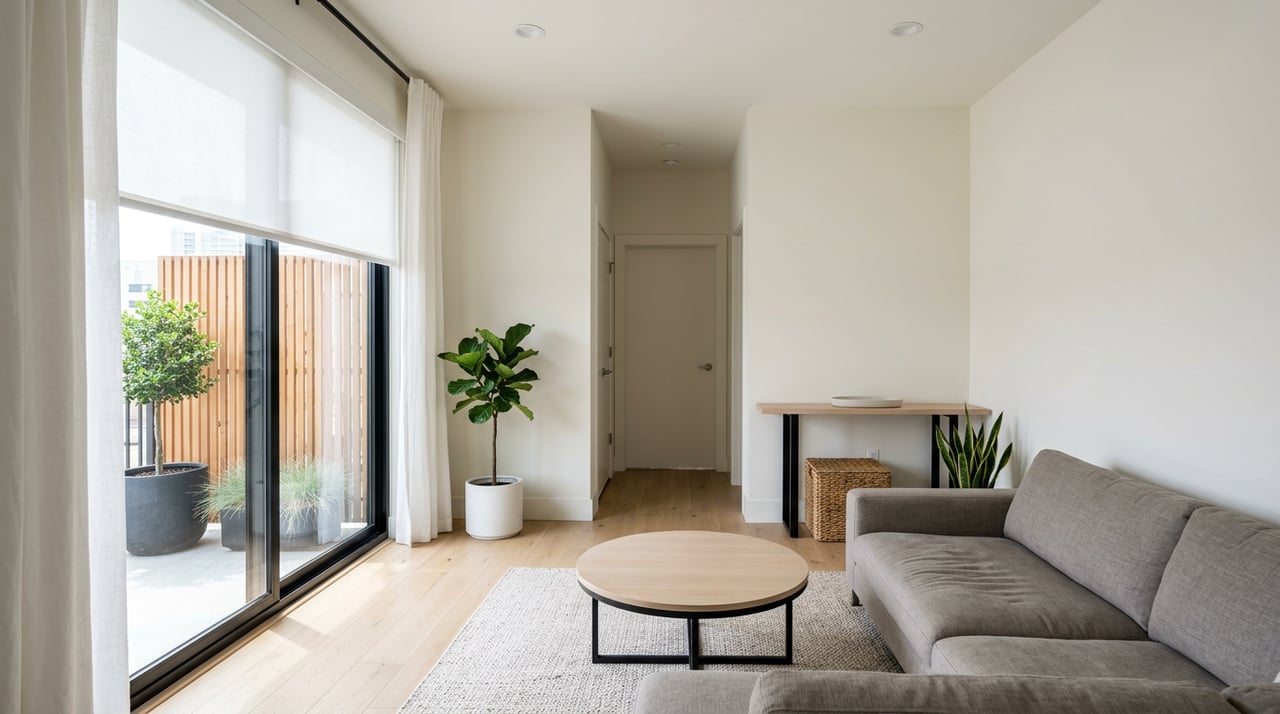
Declutter and stage for small spaces
Downtown condos tend to have efficient footprints and great window lines. Let light and views take center stage. Remove visual noise by clearing counters, packing away most personal photos, and editing furniture so walkways feel open. Aim to store at least half of your closet contents and switch to uniform hangers so storage reads as generous. Strategic staging helps buyers visualize how they would live in the space and has been shown to support faster, stronger offers in many markets (NAR staging findings).
Smart storage options downtown
If you are living in your unit during the sale, offload items you will not need for a couple of months. Consider a tiered approach:
- Lower cost, more effort: self‑storage near downtown for boxes and small furniture. Availability and sizes are easy to scan before you book (example downtown self‑storage overview).
- Mid‑range convenience: portable containers, if your building permits curbside loading with proper scheduling. Check loading dock rules before you order.
- Highest convenience: valet pickup storage. A team collects your boxes and returns items when you request them, which reduces trips through the garage and elevators but can cost more (valet storage comparison).
Confirm any curb or loading restrictions with your building before you make reservations, and book time slots early.
Photos and virtual tours that work
Professional photography is essential for downtown condos because buyers often shortlist online before they schedule a tour. If your unit has a view or great evening light, ask for a twilight shot of the exterior or balcony. Consider a virtual walk‑through to filter remote buyers, especially if weekday lobby rules make showings tight. Cleaner rooms and fewer personal items mean better photos and fewer repeat showings for the same buyer.
Reduce disruption on showing days
A short, repeatable routine will keep your home ready without adding stress. Use this quick checklist:
- Secure valuables, documents, and medications offsite or in a locked safe.
- Turn on all lights and open shades to show brightness and views.
- Clear counters and tuck away charging cables and personal mail.
- Make beds and consolidate towels and toiletries.
- Remove pet beds and bowls and plan a quick walk during the showing window.
- Empty small trash bins and run a quick vacuum in high‑traffic areas.
- Leave during showings if possible so buyers can focus and your privacy is protected.
Protect your privacy and safety
You can keep your information safe and still be show‑ready. Remove personal photos and any materials that identify your daily routines. Store passports, checks, prescription bottles, and small valuables out of sight and preferably offsite. If you want tighter control, ask your agent to set escorted showings and to confirm building visitor procedures in advance.
A simple, owner‑occupied timeline
Use this timeline to get ahead of the details that slow condo sales.
- 4 to 6 weeks before listing: request the resale certificate and the building’s move and showing policy. If needed, reserve a storage unit or valet pickup, and schedule a pre‑listing inspection so you can address small repairs before buyers see them. The 10‑day resale‑certificate clock starts when you submit a written request, so do this early (Texas Condominium Act details).
- 2 to 3 weeks before listing: complete light repairs, deep clean, declutter, and stage. Confirm any elevator reservations if you plan to move furniture. Book professional photography.
- Listing day: make sure your Seller’s Disclosure is complete and uploaded, and set clear showing instructions that reflect your building’s lobby and elevator rules (TREC Seller’s Disclosure form).
- Each showing day: follow your quick checklist. Keep an “essentials bag” handy with chargers, toiletries, and small supplies so it is easy to reset when you return.
Partner with a downtown‑focused advisor
Selling while you stay put is all about planning and pace. We help you price with current data, front‑load the TREC disclosure and the association’s resale package, and choreograph the moving parts with your building staff. Our team leverages Compass marketing, premium photography, and virtual tours to highlight what makes your unit stand out, and our curated vendor network simplifies staging, storage, and quick repairs. If you want a calm, well‑run process that protects your time and privacy, let’s talk.
Ready to map your sale while you still live in your condo? Connect with Albert Allen to schedule a discovery call and get private access to Austin listings.
FAQs
Will my occupied condo sell quickly in downtown Austin?
- It depends on price, condition, building, and market segment. The Austin condo market has leaned buyer‑friendly with longer days to sell than the post‑pandemic peak, so strong staging, accurate disclosures, and realistic pricing are key.
How long does an HOA have to produce a Texas condo resale certificate?
- After your written request, the association has 10 days to deliver the resale certificate. Buyers also have a six‑day cancellation right tied to receiving the required documents, so request the package as soon as you set your listing plan.
Can the HOA charge fees for resale documents or moves?
- Yes. Associations may charge a reasonable fee for the resale certificate, and buildings commonly have move‑in or move‑out fees, deposits, and insurance requirements. Recent law updated fee rules, so confirm amounts with your manager.
Do I need to leave during showings for privacy and safety?
- It is best to step out during showings. Secure valuables and medications in advance, remove personal photos, and coordinate escorted showings if you prefer added control and your building allows it.