Albert, TX 2024 Homestead Exemption!
What is a Homestead Exemption
A homestead exemption is a tax exemption for your property, and it works by lowering your taxable amount. Say you have a home that is worth $300,000, and you qualify for a $20,000 homestead exemption. This makes it so that you’re only paying taxes on your property as if it were worth $280,000. By removing part of your home’s value from taxation, you potentially save thousands of dollars a year.
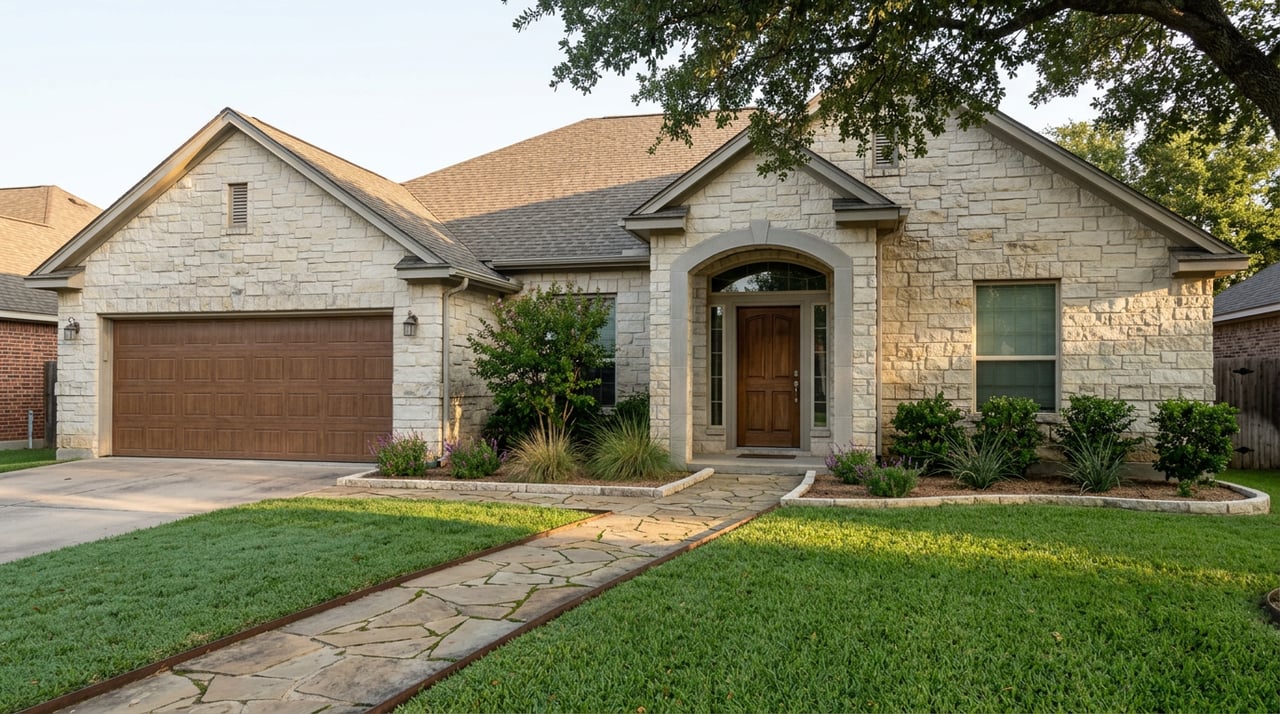
A homestead can be a separate structure, condominium, or manufactured home located on owned or leased land, as long as the individual living in the home owns it. A homestead can include up to 20 acres if the land is owned by the homeowner and used as a yard or for another purpose related to the residential use of the homestead.
You’ll also need to include a copy of your Driver's License or Identification Card. Your driver's license needs to be from the Texas Department of Public Safety (TX DPS), and the address must match the homestead address.
Austin and Surrounding Areas
Houston and Surrounding Areas
- Harris County
- Washington County
- Austin County
- Lee County
- Fayette County
- Colorado County
- Waller County
- Grimes County
Dallas and Surrounding Areas
- Wise County
- Denton County
- Collin County
- Hunt County
- Parker County
- Tarrant County
- Dallas County
- Hood County
- Johnson County
- Ellis County
- Kaufman County
- Van Zandt County
- Navarro County
What Types of Homestead Exemptions Are Available?
Depending on factors such as your age, location, disability, or veteran status, you may qualify for different homestead exemptions, such as:
School taxes: All residence homestead owners may receive a Homestead Exemption from their home's value for school taxes.
County taxes: If a county collects a special tax for farm-to-market roads or flood control, a residence homestead owner may receive an exemption for this tax. If the county grants an optional exemption for homeowners age 65 or older or those with a disability, the owners will receive only the local option exemption.
Age 65 or older and disabled exemptions: Individuals 65 and older and/or disabled residence homestead owners may qualify for a Homestead Exemption for school taxes, in addition to the exemption for all homeowners. If the owner qualifies for both the exemption for 65 and older homeowners and the exemption for disabled homeowners, the owner must choose one or the other for school taxes. The owner cannot receive both exemptions. Click here to read about exemptions, limitations, and special instructions for homeowners aged 65 and over and homeowners with disabilities.
Optional percentage exemptions: Any taxing unit, including a city, county, school, or special district, may offer an exemption of a percentage of a home's value. Each taxing unit decides if it will offer the exemption and at what percentage. This percentage exemption is added to any other home exemption for which an owner qualifies. The taxing unit must decide before July 1 of the tax year to offer this exemption.
Optional 65 or older or disabled exemptions: Any taxing unit may offer an additional exemption amount for taxpayers age 65 or older and/or disabled.
Disabled veteran homeowners: Click here for more information about exemptions, limitations, and special instructions for disabled veteran homeowners.
Homestead FAQ
When you’re trying to figure out how to file a homestead exemption, it can be helpful to look at common questions and answers. Here are some relevant Q&As to help you gain insight into the process:
Q: Does it matter when I file my homestead exemption after I close?
A: You should file the homestead as soon as you move into the home. It is prorated in the year you purchased it, so it could save you some money to file it immediately. Make sure to change your driver’s license to the subject property address.
Q: What is a homestead cap?
A: A homestead cap is a cap on the amount of value a property will be taxed on from year to year. The appraisal district identifies this amount as the “appraised value.” The limitation slows the annual increase of a property tax bill by reducing the amount of value subject to taxation. For residence homesteads, the annual increase is limited to 10% more than the previous year’s appraised value and any new improvements.
Q: Does a homestead cap transfer?
A: No, homestead caps cannot transfer if the ownership of the property changes.
Q: When does the homestead cap take effect?
A: The homestead cap will apply to the second full year you have a homestead. For example, if you bought a home after January 1, 2022, the first full year of homestead is 2023. That means that the 10% cap doesn't start until the second full year, which is 2024 for a home purchased and occupied after January 1, 2022.
Still Have Homestead Exemption Questions?
If you have any questions about the homestead exemption process in Texas, you can contact a legal representative, the tax office for the county you are filing in, or that county’s appraisal district.
Disclaimer: The information provided in this blog does not constitute legal advice. If you are unsure at any point, it is best to work with a professional. Compass is a licensed real estate broker. All material is intended for informational purposes only and is compiled from sources deemed reliable but is subject to errors, omissions, changes in price, condition, sale, or withdrawal without notice. No statement is made as to the accuracy of any description or measurements (including square footage). This is not intended to solicit property already listed. No financial or legal advice provided.
Copyright © 2024 Greater Northwest Hills All Rights Reserved.