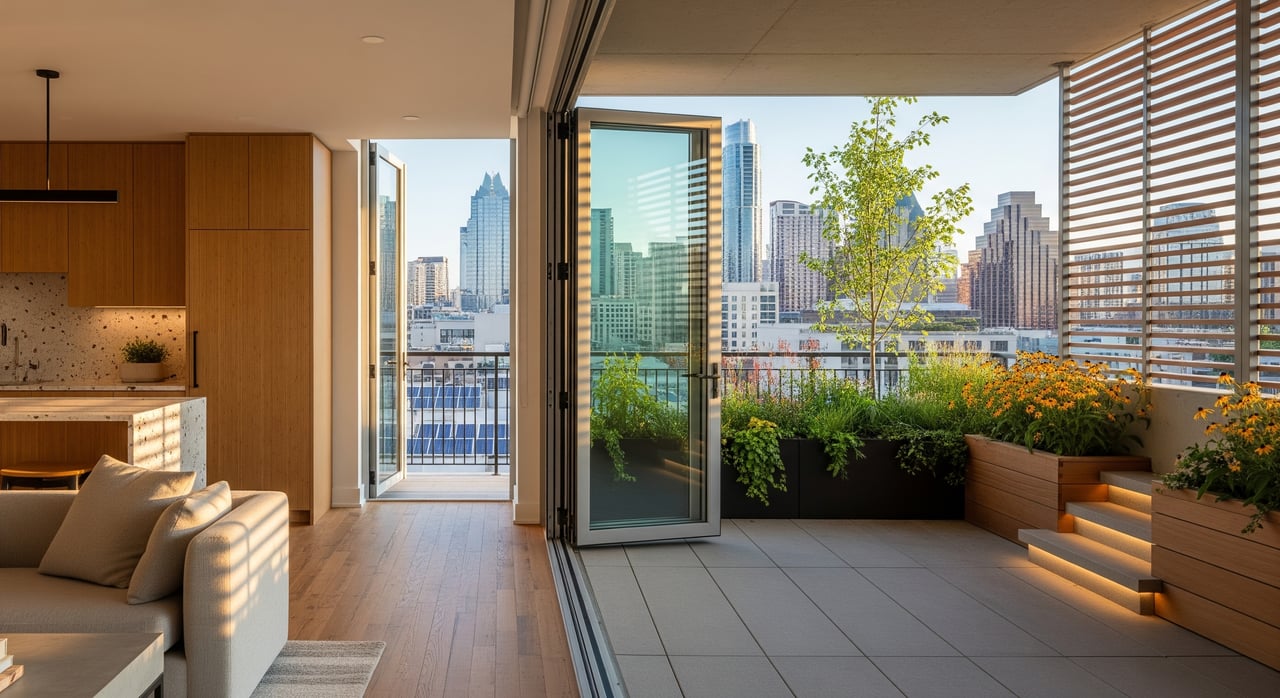
Is beating the Austin heat high on your list while you shop downtown condos? You are not alone. In a hot, humid climate like ours, the right green features can cut cooling costs, improve comfort, and make city living feel effortless. In this guide, you will learn which unit and building features matter most, how to verify performance, and the key questions to ask before you write an offer. Let’s dive in.
Why green features matter in Downtown Austin
Downtown Austin sits in a hot‑humid climate zone where solar heat gain and cooling loads drive most condo energy use. That means windows, shading, and efficient HVAC carry outsized value. Humidity control and ventilation also matter to protect indoor air quality in multiunit buildings.
Inventory downtown ranges from older high‑rises to newer mixed‑use towers. Many older buildings predate today’s energy standards, so glazing, HVAC systems, and controls can vary widely. Because many systems are shared, building‑level efficiency often shows up in HOA budgets and assessments, not just in your unit’s bills.
Austin Energy, our municipal utility, runs efficiency programs and renewable options that can help offset upgrade costs. Federal clean energy incentives may also help. For any solar or central system projects, HOA rules and ownership of roofs and utility infrastructure determine what is possible.
Unit-level features to prioritize
Windows and glazing
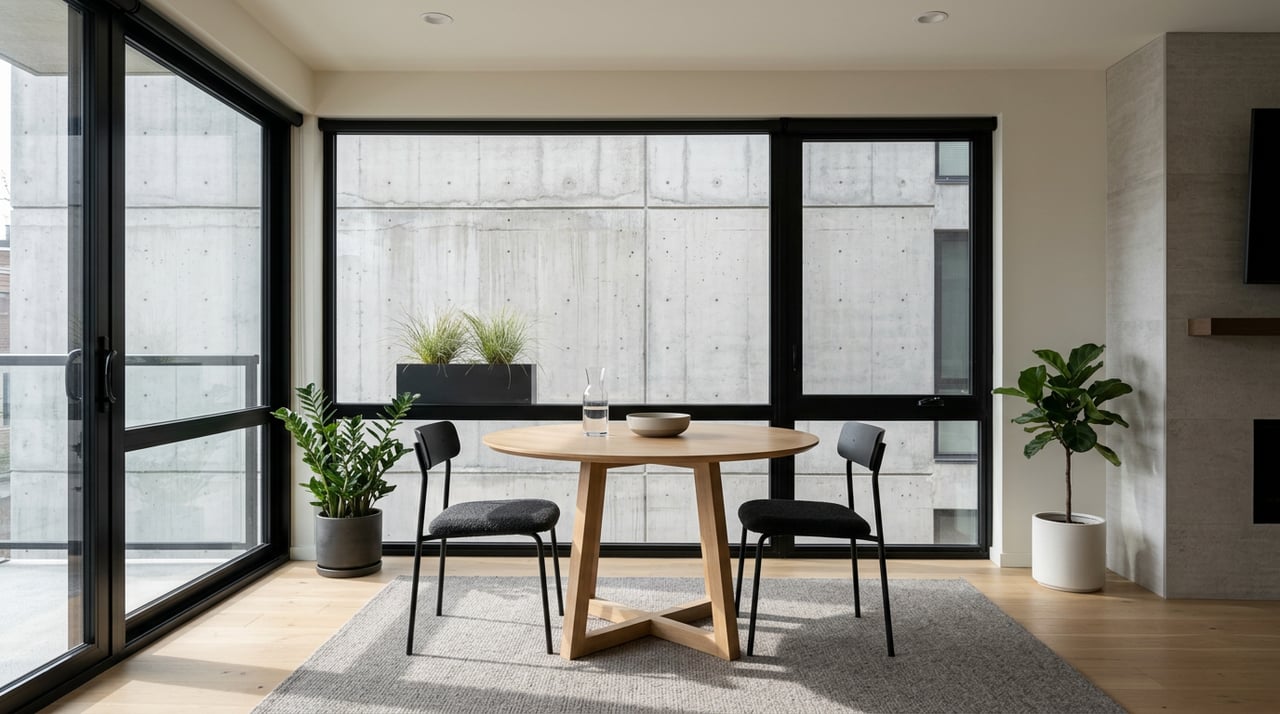
Windows are often the top source of heat gain in Austin condos. Look for low solar heat gain glazing that limits summer sun and reduces cooling load. As a practical target for hot‑humid climates, aim for low SHGC glazing (often SHGC 0.25 or lower), plus a solid U‑factor in the 0.25 to 0.30 range for double‑glazed units.
Orientation matters as much as specs. South and west exposures benefit from low‑E coatings, exterior shade, and operable blinds. Check for double or triple glazing, well‑sealed frames, and weatherstripping at the window perimeter.
Cooling and ventilation
Heat pump technology is a smart pick for efficiency and futureproofing. In‑unit ductless mini‑splits offer high seasonal efficiency and individual room control, which helps comfort and runtime. Many towers use central chiller and air‑handler systems, where efficiency depends on the central plant, variable‑speed drives, distribution losses, and controls.
Prioritize variable‑speed compressors and fans, proper equipment sizing, and modern controls such as smart thermostats or integration with the building automation system. Balanced mechanical ventilation and energy or heat recovery (ERV/HRV) can improve fresh air delivery and humidity control. When equipment is replaced, higher SEER or SEER2 and HSPF ratings indicate better performance.
Water heating
Domestic hot water can be a large share of a building’s energy use. Heat pump water heaters or centralized heat‑pump DHW plants are highly efficient options. Condensing gas boilers are common in older systems, but electrification with heat pumps often improves performance and aligns with decarbonization goals.
Ask what type of system serves the unit or building, its age, and the maintenance plan. In high‑rises, ask whether long pipe runs are insulated or whether the building has addressed distribution losses.
Insulation and airtightness
Air leakage and poor insulation drive cooling loads and humidity problems. Look for evidence of upgraded roof or ceiling insulation where applicable, sealed balcony and window perimeters, and attention to thermal bridges. Older concrete high‑rises can have thermal bridging at slab edges that affect comfort near windows and balconies.
Lighting and appliances
LED lighting lowers electricity use and reduces heat output compared with incandescent or older fluorescent lights. ENERGY STAR appliances help cut plug loads and cooling demand. Confirm whether the unit has LED lighting and efficient appliances, and ask whether common areas use efficient lighting with occupancy controls.
Indoor air quality and materials
Healthy condo living depends on ventilation and filtration. Ask about in‑unit fresh air options, filter ratings at the air handler, and any building‑level filtration upgrades. Higher MERV filters can improve particle capture where systems are designed for them. Low‑VOC finishes and documented moisture management help maintain good indoor air quality.
Building-level systems that move the needle
Central plant and controls
In high‑rise condos, central chillers, boilers, and hot water systems are major energy users. Efficient chillers, variable‑frequency drives on pumps and fans, and strong building automation and controls can deliver large savings. Commissioning and consistent maintenance are strong indicators of real‑world performance.
Request recent energy audits, commissioning reports, or operational data if available. These documents help you understand how the building actually performs, not just how it was designed.
Envelope and common-area upgrades
Whole‑building glazing replacement, roof insulation, and sealing of balconies and joints can dramatically reduce HVAC loads across many units. These are capital‑intensive projects typically managed by the HOA. If a building has completed envelope work, ask how it affected energy consumption and comfort.
Renewable energy and resilience
Rooftop solar on towers often serves common‑area loads and can offset building electricity use. Some associations explore energy storage to improve resilience and reduce peak demand. Because roofs and risers are usually common property, decisions and cost allocation sit with the HOA.
Water efficiency and landscaping
Low‑flow fixtures, efficient irrigation for podium landscaping, and rainwater strategies can lower water bills. Drought‑tolerant and native plantings help reduce irrigation demand. Ask how water costs are allocated between unit owners and the association.
Certifications and how to verify performance
Third‑party programs give you a quick read on design intent and operations. LEED applies to new construction and operations of existing buildings, while ENERGY STAR for Multifamily focuses on verified energy performance. Some boutique projects may pursue Passive House or Green Globes. Austin Energy programs and local code amendments also influence what gets built and upgraded.
Certification is a starting point, not the finish line. A plaque from years ago does not guarantee current performance. Ask for the certificate, scorecard, and any measurement or commissioning reports. For operations‑focused programs, request recent performance data and utility summaries.
Useful documentation includes the most recent energy audit, any benchmarking results, and common‑area utility bills for the past 12 to 24 months. These help validate claims and reveal trends.
Incentives, HOA budgets, and payback
Austin Energy rebates are often available for heat pump HVAC, heat pump water heaters, appliances, and multifamily retrofits. Federal tax incentives for solar and certain electrification measures may also apply. Eligibility and rates change, so verify current details with program administrators before you rely on them in your budget.
Green capital projects at the building level are usually funded through HOA reserves or special assessments. Review the reserve study, recent assessment history, and planned projects. Efficiency savings often show up in the HOA’s operating line items for electricity, but some buildings submeter, which means some benefits accrue directly to unit owners.
Unit‑level upgrades like mini‑splits, heat pump water heaters, and LED retrofits typically cost less than whole‑building measures, but still may require HOA approval. In most cases, efficiency upgrades reduce operating costs and improve appeal to eco‑minded buyers. Exact payback depends on equipment, utility rates, and available incentives.
Quick buyer checklist for tours
Building-level questions
- What HVAC serves common areas and individual units, and when were the last major replacements or services completed?
- Are there recent energy audits, benchmarking data, or commissioning reports to review?
- Does the building have rooftop solar, EV charging, or plans for electrification or envelope upgrades? How are costs and benefits allocated?
- Can you review the reserve study and planned special assessments for energy‑related projects?
- What lighting and ventilation systems serve parking and common areas, and do they use controls such as occupancy sensors or variable‑speed fans?
Unit-level questions
- What HVAC and water‑heating equipment is in the unit, how old is it, and what maintenance records are available?
- What are the window and glazing specs, and is there evidence of weatherstripping, sealing, or recent replacements?
- Are appliances ENERGY STAR rated and is lighting upgraded to LED?
- What indoor air quality features exist, such as mechanical ventilation, fresh air intake, and filter MERV ratings?
Documents to request
- HOA reserve study and recent budgets
- Common‑area utility bills for 12 to 24 months
- Energy audits, benchmarking reports, and recent commissioning or maintenance records
What this means for your budget
Will a green condo save you money? In many cases, yes. The biggest wins in Downtown Austin come from efficient cooling systems, high‑performance glazing and shading, and solid building controls, which reduce cooling and common‑area energy bills. Your savings depend on system quality and how energy costs are allocated between the HOA and unit owners.
How we help you buy smarter
You deserve clear guidance when the details are technical. We bring sustainability and construction expertise to your downtown condo search, including new‑construction consulting, systems due diligence, and reading between the lines of HOA documents and reserve studies. We help you target the features that matter in Austin’s climate and the buildings most likely to perform as promised.
From discovery and curated shortlists to tours, negotiation strategy, and closing logistics, our process saves you time and stress. If you want a seasoned local advisor who understands green building, luxury marketing, and downtown inventory, reach out to Albert Allen. We are here to help you shop smarter and live well in Austin.
FAQs
What green condo features matter most in Downtown Austin?
- Prioritize low SHGC glazing with good U‑factor, efficient heat pump HVAC with variable‑speed components, mechanical ventilation for humidity control, and LED lighting and ENERGY STAR appliances.
How do HOA systems affect my costs in a high‑rise?
- Many efficiencies are at the building level, so savings often appear in HOA operating budgets and assessments; review reserve studies, utility bills, and planned projects to understand cost allocation.
Can I add solar if I own a condo downtown?
- Possibly, but roofs and wiring are typically common property, so solar decisions happen at the HOA level; ask about existing systems, participation options, and how benefits are shared.
Do certifications like LEED or ENERGY STAR guarantee lower bills?
- Certifications signal design and operational intent, but actual performance depends on maintenance and controls; request recent energy audits, commissioning reports, and utility data.
Are mini‑splits better than central systems in condos?
- Mini‑splits offer strong in‑unit control and efficiency, while modern central plants can be very efficient when properly controlled; the best choice depends on building configuration and HOA rules.